Friday, June 30, 2006

Live Blood Analaysis Darkfield Microscopy Courses


Visit also at http://live-blood.blogspot.com/


dreddyclinic.com - Live Blood Course: "Integrated Medicine Live Blood Analysis Courses
Live Blood Analysis 3 daysLive Blood Analysis Courses with Certificates. The 6 days course includes the 3 days course and goes more in details in the fellow topics.

PLEOMORPHISM
Introduction “New Biology
The Causes of Chronic Degenerative Disease


  • Pleomorphism

  • Guenther Enderlein

  • Antoine Bechamp

  • Rife Microscope, EAV

  • Gaston Naessans

  • Monomorphism

  • History of the Debate

  • Life

  • ACID/BASE

  • Latent Acidosis

  • How we become acid

  • The Symptoms of Being Acid

  • Testing Urine and Saliva

  • The Treatment of Being Acid

  • Metabolic Typing

  • THE 'NEW' BIOLOGY

  • The Protit

  • Uroboros

  • DECLARATION OF INDEPENDENCE.

  • THE CAUSE OF DEGENERATIVE DISEASE

  • PLEOMORPHISM

  • THE LAW OF CYCLOGENY

  • FORMATION OF FILUM

  • FORMATION OF SYMPROTITS.

  • SYMPROTITS.

  • MACROSYMPROTITS.

  • FREE CHONDRIT PHASE

  • The Chondrit Stage.

  • THE BIRTH OF A CELL.

  • BACTERIAL SPHERES.

  • DEVELOPMENT OF BACTERIAL RODS.


Monday, June 26, 2006

Physical Appearance of Kapha

Physical Appearance of Kapha
physique: large, rounded build, good muscular development
skin: cool, smooth, moist
hair: thick, wavy
eyes: large, attractive, brown

Temperament of Kapha
mental: calm, tranquil, compassionate, thorough, rarely forgets
physical: steady appetite, slow digestion, regular elimination, deep sleeper
energy: steady, lethargic, good endurance

Remedies for Kapha
Foods: warm, dry, light, spicy
Tastes: pungent, bitter, astringent
Exercise: regular, vigorous
Single Herbs:
Herbal Supplements: Lasunadi, Triphala, Brahmi, Chandra Prabha, Guggulu, Vasavaleha
Rasayanas: Kapha Chyavana Prasha, Haridra, Sage, Shatavari
Skin Care: Tridosha Cleanser, Tridosha After Shave Gel, Kapha Energizing Tonic Lotion, Kapha Energizing Cream, Kapha Body Oil.

Kapha gives us substance and support

Kapha: Kapha gives us substance and support. Kapha is mainly concerned with providing the physical field for the Vata and Pitta energies. It governs cell structure, bodily secretions, and gives the mind stability.

A thick, broad, well-developed frame and large, long limbs go well with a pleasant, deep and resonant voice with low, slow, rhythmic speech. The skin is usually thick, oily, pale or white and cold. Plentiful, thick, wavy, lustrous and generally brown hair is set on a large, rounded and full face. The neck is solid, with a near tree-trunk quality. A large, rounded nose and large, attractive, blue or light brown in color eyes are found in a mouth that is large with big, full lips.

Teeth too are big and white and set in strong gums. Kapha predominated people are calm, steady, considerate - stable, patient personalities they are slow to anger. Not easily provoked, once angry they do not calm down easily. They are honorable, true to their word and avoid lies. Loyal, forgiving and understanding, they can be lethargic, even lazy, if not driven by others. Learning may be slow but memory will be strong. Excellent in logical analysis, they take time before reaching conclusions. Long hours of deep sleep and a strong, enduring sex drive come naturally. While they do save money, it does get spent on food. And there can at times be an element of dullness, given that a kapha mind is usually too content to seek fresh mental stimulation.

Physical Appearance of Pitta

Physical Appearance of Pitta physique: medium, good muscular development
skin: warm, oily, prone to reddening or blemishes
hair: light colored, straight, fineeyes: sharp, lustrous, bright blue or light brown
Temperament of Pitta mental: easily irritated, goal oriented, organized, good memoryphysical: must eat regularly, quick digestion, regular elimination, sound sleeperenergy: moderate, average stamina, enjoys physical activity

Remedies for PittaFoods: cool to warm, mildly spiced
Tastes: sweet, bitter, astringent
Exercise: moderate, non-competitive, involving water and winter
Single Herbs: Haritaki, Brahmi, Neem, Shatavari, Bhringaraj
Herbal Supplements: Samsamani, Triphala, Punarnavadi, Kaishore Guggulu, Vasavaleha
Rasayanas: Nimba, Ashoka, Pitta Chyavana Prasha, Haridra, Brahmi, Gokshura, Shatavari
Skin Care: Tridosha Cleanser, Tridosha After Shave Gel, Pitta Soothing Tonic Lotion, Pitta Soothing Cream, Pitta Purifying cream, Pitta Body Oil

Pitta governs biological fire

Pitta: Pitta governs biological fire. Pitta is mainly concerned with the body's balance of kinetic and potential energies. Pitta's processes involve digestion, whether it be digestion of food and nutrients or digestion of thoughts and theories in the mind.

A moderately well developed physique with muscular limbs and a purposeful, stable gait of medium speed. With a loud, strong voice and precise, convincing speech. The skin is fair, soft, lustrous, warm, and tends to burn easily in the sun – has freckles, many moles, and a tendency to rashes. And the bodies are hot and sweaty. Characterized by fine and soft, either fair or reddish hair that tends to gray soon. Face is heart-shaped, often with a pointed chin. While the neck is proportionate and of average size. A neat, pointed, and average sized nose matches the average sized eyes that are either light blue, light gray or hazel in color, with an intense luster which get red in summer or after bathing. The mouth being medium, with average lips and medium-sized, yellowish teeth.

Pitta's have an intellectual and precise disposition due to a very alert, focused mind. Sharp and knife-like in anger, they are irritable, jealous and aggressive by nature. Discriminating and judgmental, they are articulate, learned and proud. With a developed sense of responsibility, they can take decisions and organize affairs well. Argumentative, but with a sense of humour, their selectively excellent memory makes them fast learners. Moderately passionate in their sexual pursuits, they spend moderately, usually on luxuries.

Physical Appearance of Vata

Vata people have restless minds and weak memories. They avoid confrontation. Have active and sensitive natures and express themselves through sport and creative pursuits. Likely to be artistic and creative with a good imagination, they will sometimes overindulge in pleasures. And are sexually the most active. Fearful, worrisome and anxious they are into questioning, theorizing and over-analysis. Often dissatisfied with and unable to sustain friendships, they spend money quickly, often on trifles. With light, interrupted sleep of 5-7 hours a day.

Vata is known as the moving force. Vata is mainly concerned with the nervous system and all bodily movement. It chews and swallows food, moves nutrients into and wastes out of cells, circulates blood and air, and retrieves and stores memories.

Physical Appearance of Vata physique: thin, very tall or very short, little muscular developmentskin: cool, dry, roughhair: dark, curly, dryeyes: small; brown, grey, or slate blue
Temperament of Vata mental: nervous, fluctuating moods, quick but short memory, creativephysical: irregular appetite, irregular elimination, prone to constipation, light sleeperenergy: comes in bursts, active, poor stamina.

About Each Dosha

According to Ayurveda, there are three primary energies, or Doshas. The Doshas are Vata , Pitta, and Kapha. These Doshas regulate all physical and psychological behaviors, from basic cell structure to the most complex mental functions. The Doshas are found in unique proportions in every individual. This singular combination of the Doshas is called our constitution or Prakriti, and it will determine our basic physical appearance, preferences, behaviors, and emotional tendencies. When the Doshas are in their natural balance with one another, our physical and mental states are at optimum health. When the Doshas fall out of balance, disease may manifest. Ayurveda seeks to return the Doshas to and maintain them at their natural balance in our individual constitution.

Saturday, June 24, 2006

Ayurvedic Treatment for Constipation

Gopakumar
Bowel regularity is very important for health and constipation can increase the risk of certain bowel conditions. In the long term, small pouches can develop in the wall of the lower part of the colon, known as diverticuli. These can sometimes become inflamed or infected with waste material. More serious complications such as bleeding and bowel perforation may also develop. In the shorter term, if waste products are not eliminated efficiently from the body harmful waste products can build up leading to problems such as fatigue, bad breath and poor skin health.

Constipation is a problem in passing tool that is defecation. It is the accumulation of toxins in the colon due to improper bowel habits. Though bowel habits vary from person to person, ideally one should have easy bowel movements in early morning and the stool should float on the water.
Constipation includes the difficulty in expulsion, infrequent bowel emptying and the hard and dry stools. Constipation may lead to other symptoms such as abdominal discomfort, flatulence, headache, bad breath and loss of appetite and indigestion.

Ayurvedic Treatment for Constipation - Causes

Gopakumar

All Vata constitution people suffer from the problem of constipation. The main cause of constipation is dietary. Inadequate roughage and fluid intake in the diet results in faeces lacking enough bulk to stimulate the bowel to move them along. Drinking too much cold drinks and the habit of smoking also contribute to constipation.

Other factors such as late nights, insomnia, stress, nervousness, worry, grief and fear are also responsible.

Ayurvedic Treatment for Constipation - Symptoms

Gopakumar

Constipation may lead to other symptoms such as abdominal discomfort, flatulence, headache, bad breath and loss of appetite and indigestion. The symptoms in the three types of constipation according to ayurveda vary.

Vata Type: There is a brownish coating on the tongue that cannot be removed even by scraping the tongue. There may be a sense of uneasiness in the abdomen, pain with gas formation, hard stools and low digestive fire.

Pitta Type: Eating spicy food, walking in sun and inadequate fluid intake are the main causes of this type of constipation. In this type stools are hard and yellowish in color accompanied with a burning sensation.

Kapha Type: This is due to the obstruction of the colon or due to mucous in the intestines. Because of this there is a sensation of heaviness in the colon, lethargy and low digestive fire. The stools are white in color and there may be gas in the abdomen. The tongue is coated white and the person has bad breath.

Ayurvedic Treatment for Constipation - Treatment

Gopakumar
Acute Constipation: Warm sesame oil as enema is very effective for immediate relief in case of acute constipation.

Massage of the abdomen with sesame oil is also helpful. Glycerine can also be used to massage the abdomen. Fasting, anti-ama diet and detoxifying herbs are also beneficial. After the digestion has improved strong purgative like senna, castor oil and rhurbarb should be given.

Chronic Constipation: Triphala is a combination of three myrobalan fruits: amalaki, haritaki and bibhitaki and makes a good laxative. This can be given in dose of 1 to 3 gm at night with warm water. Abhayrishta is also an effective medicine for chronic constipation.Drinking a glass of warm milk with one teaspoonful of ghee every night for three months is advised. Alternatively four teaspoons of warm sesame oil can also be taken every night.

Vata Type: Medicated enema of sesame oil is the best remedy and should be given on alternative days in the evening. Cleansing enema alternating with oil enema is also beneficial.Bulk laxatives such as bran, flaxseed and psyllium seeds should be given in 1 to 3 gms with milk or sweet fruit juices at night.

Pitta Type: Anti-Pitta diet is advised. In Pitta type constipation is the result of High Pitta due to inflammation. Use cleansing enema of licorice and shatavari. Aloe, echinacea, gentian, rhubarb and yellow dock are useful.

Ayurvedic Treatment for Constipation - Diet


Gopakumar
Diet


Vata Type: Anti-Vata diet with oily food, nuts, vegetables, sesame oil, ghee and plenty of warm water is advised.

Kapha Type: Anti-kapha diet is advised. Basmati rice with bread and raw vegetables and fruits like apples, banana, prune, grape or cherry should be taken. Bulk laxatives should never be given in Kapha type.

Increase your Fibre IntakeOne essential ingredient for healthy bowel function is fibre. This indigestible material adds bulk to the food residues, thereby promoting the passage of waste materials through the intestines. High fibre breakfast cereals based on wheat bran are often advised for people suffering from constipation. For optimum bowel function you should eat at least five servings of fruits or vegetables a day.

Use Natural Bulking AgentsAn effective and convenient way to increase fibre intake is to add a natural bulking agent to your diet. Take 1-2 teaspoons of either psyllium husk or linseeds with water each day or sprinkled over soups or salads.Drink More WaterApart from fibre, the other essential ingredient for bowel regularity is fluid. The best form of fluids is water. Drink one and half–two litres of water each day.

ExerciseExercise can help relieve constipation probably through the mechanical action of the abdominal muscles and the diaphragm on the bowel. Aim to take 30 minutes exercise everyday.Always respond to the Call of NatureAlways respond promptly to the urge to open your bowels. Failure to do this on a regular basis may cause a suppression of the nerve impulses that are essential for defaecation. The long-term result may be persistent constipation.

Ayurvedic Treatment for Constipation - Precautions

Precautions
Gopakumar


  • Dietary control is very necessary and will control many cases without any medicine. There should be a lot of intake of green vegetables and plenty of fruits.
  • Food should be taken at a proper time
  • Plenty of fluid intake should be there.
  • Drinking water from a copper vessel early in the morning also proves beneficial. This sets a gastrointestinal reflex, which in turn helps the bowels to clean.

Monday, June 19, 2006

Keep Those Bouts With Stress Short

One of the little-discussed aspects of stress management among conventional medical "experts" that I talk about often here on my Web site: You can't eliminate stress entirely, nor would you want to do so. Getting rid of stress isn't the answer either, because if you didn't experience it at all, you'd probably be dead.
That pretty much mirrors the views of one Stanford neuroscientist interviewed this week by the Washington Post (free text link below). The notion anyone can or should or eliminate stress from their lives, is a fallacy. The key, according to the Stanford expert, is not letting those stressful episodes last too long.
Riding a roller coaster or watching a scary movie -- both short-term propositions -- can be invigorating. Holding onto stress for days, however, isn't healthy for your brain or the rest of your body. In fact, ongoing stress damages the hippocampus, central in the brain to memory and learning. Moreover, neurons in the prefrontal cortex begin to shrivel under constant stress too.
Surprisingly, the neuroscientist also agrees that a more natural solution -- meditation -- can refocus your mind and help you better understand where the stress comes from than taking a drug.

.
Washington Post December 13, 2005

Guess Who's Joined in the Splenda Fight?

Talk about strange bedfellows, I was surprised to learn my Web site had something in common with one a group of sugar cane and beet farmers created about a year ago: Our mutual dislike and distrust for Splenda, the harmful anything-but-sugar substitute.
Beginning this week, their site, The Truth About Splenda, began posting consumer comments about Splenda, ranging from deceptive advertising and marketing practices to the dire health consequences associated with consuming what amounts to a chlorinated artificial sweetener.
A particularly interesting area on The Truth About Splenda site: Its Fact vs. Fiction page that briefly exposes the truth about the harm this fake sweetener can do to your health and the marketing behind it.
The fact remains, sugar -- natural or otherwise -- is health-harming in so many ways, far more than you may realize.

U.S. Newswire December 15, 2005

Green Tea Extract Fights Leukemia

Green tea and green tea extract as a protective agent used in liver transplant operations and cancer-fighter. Seems epigallocatechin-3-gallate (EGCG) -- a green tea extract -- may improve the condition of patients suffering from chronic lymphocytic leukemia (CLL).
Although researchers weren't sure what constitute a safe, effective dose, EGCG-rich green tea extract contained in over-the counter products certainly improved the condition of four chronic leukemia patients. (These same researchers also found ECGC killed leukemia cells taken from CLL patients last year.)

CLL is different than other forms of leukemia in that it progress more slowly than acute leukemia, and it touches as many as 15,000 Americans every year. Some patients live with this condition for decades without treatment, while others require immediate care.
The trick about drinking green tea: Be careful that the tea you're drinking doesn't contain high levels of fluoride.

EurekAlert December 13, 2005

Teflon Toxicity Merits a Slap on The Wrist From EPA

Teflon Toxicity Merits a Slap on The Wrist From EPA

Remember that settlement between DuPont and the EPA over perfluorooctanoic acid (PFOA) -- the chemical used to make Teflon -- I told you about last month? Fines were initially expected to exceed $300 million, one of the biggest ever levied. Apparently, that was a grossly optimistic number...
The $16.5 million settlement -- about 95 percent short of that original estimate -- still remains the largest penalty ever assessed by the agency. But, part of that fine is a $6.25 million "pledge" by DuPont to fund environmental projects, including one to determine how and if some company products break down into PFOA over time.
Needless to say, the Environmental Working Group (EWG), the watchdog organization that gave the EPA the information it needed to launch its Teflon probe, wasn't pleased. Considering remnants of PFOA can be found in the bloodstreams of nearly all Americans, how can the government penalize DuPont enough?

What's more a DuPont lawyer, according to EWG, dismissed the settlement as no more than the cost of doing business, a safe bet the company will do this again one day...
Just a reminder, PFOA not only coats non-stick cookware but the paper plates you use and those bags of popcorn you prepare in the microwave.
Washington Post December 15, 2005

Tuesday, June 13, 2006

Ozone Therapy

Gaucher's News

Prof Ari Zimran spoke about the research he has carried out into ozone therapy to aid pain control in people with Gaucher's disease, at the Israeli Gaucher's Association meeting held on 5 September 2000. This research was sponsored by the US National Gaucher Foundation and has been submitted for publication to the Journal of Pain and Symptoms Management.

Prof Zimran said that some of his patients have experienced constant pain for many years and for some of them enzyme replacement therapy had come too late to benefit their bone disease.
Ozone therapy has been found to reduce pain for other conditions in several studies and he wished to discover if this therapy could help some of his patients with Gaucher's disease who suffered pain.

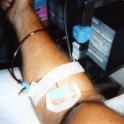
Ozone therapy consists of withdrawing a quantity of blood from a patient and placing it into a vacuum bottle. 3% of ozone (a gas consisting of three parts oxygen, 03 - 'heavy oxygen') is mixed into the blood which is then re-injected into the patient.

Study
Nine patients (three men and six women) took part in the study aged between 33 and 61 years old. All patients were on Cerezyme together with pain medication and they received in total 134 ozone treatments.

Therapy was administered once a week over a 12 week period. There were no serious or even significant adverse effects apart from one case of fainting prior to withdrawal of blood, three episodes of facial flushing which improved when the rate of infusion was slowed down, one technical failure due to clotting in bottle and as one patient had poor peripheral veins, only 9 sessions were completed. The study took place in a private hospital in Tel Aviv.

Results
Patients were asked to fill in a pain questionnaire detailing:
§ average pain in the last 24 hours
§ ability to walk
§ daily work
§ quality of sleep
§ quality of life in general
§ intensity of pain during the 24 hours after ozone therapy.

The results showed that there was a general trend of improvement during the 12 weeks of treatment.
In one case, a patient ceased complaining of pain after three ozone infusions. This person had always suffered pain before. Another patient, who used to feel pain when moving into different positions, could now sleep without discomfort. Only one did not improve immediately but showed improvement after 15 weeks of treatment.

Prof Zimran concluded: 'An important result was the reduced need for pain medication. '
Source: Gaucher's News March 2001.
© Copyright Gaucher's Association 2001
Ask you question in the Ozone-Oxygen-Forum

ULTRAVIOLET BLOOD IRRADIATION

The utilization of UV light spectrum as a therapeutic agent has been studied for more than 130 years. At the turn of the 19th century its beneficial effects were associated with the destruction of infectious organisms in the blood. Later studies revealed its positive influences on the immune, circulatory and hormonal systems. The technique of irradiating blood ex vivo with UV light, and its later reinfusion to patients, has demonstrated significant effects in the treatment of several pathological diseases.
At Oasis of Hope Hospital we combine the previously described AHT procedure with UV irradiation, by exposing once or twice the withdrawn ozonized blood to three UV-A lamps at a rate of 20 ml/min in a joint circuit inside a UV-A light permeable quartz chamber, before reinfusing it back to the patient.
UV blood irradiation treatment has shown high antitumoral activity due to the direct cytotoxic action it has against tumoral cells that are in the bloodstream. In addition, controlled UV irradiation exposure has also a 'vaccination effect', similar to that of the ozone action, it promotes the maturation of dendritic cells through oxidative stimulation in the presence of apoptotic (programmed cell death) tumoral cells.
It is scientifically well documented that the immune system's dendritic cells fraction is a key factor in the fight against tumors. The UV light blood irradiation also promotes the activation of other cells of the immune system through and supports the production of cytokines promoting antitumoral activity such as IL-2, tumor necrosis factor and interferon among others.
We have found at the Oasis of Hope Hospital that the combination of both techniques produces a synergetic effect, which improves the body's response against the disease and allows a better outcome after treatment.
The Oasis of Hope Hospital
Repetitive Pneumoperitoneum with Ozonized Oxygen as a Preventive ...

MELATONIN

Melatonin is a neurohormone synthesized and secreted at night by the pineal gland, which is located inside the brain.
One of the most important properties of melatonin is its antitumoral action besides its antioxidative and sleep-inducing effects. The melatonin levels in the body play an important role in the immune system activity, specifically the one mediated by cells, in which the interleukins regulate the immune response. It is well documented that melatonin is able to activate the production of IL-2 which constitutes the main antitumoral cytokine in humans. It also stimulates the production of interferon by T cells, and IL-1, IL-6, IL-12, nitric oxide and other reactive oxygen species by monocytes.
Low levels of melatonin have been associated with an increased risk of several diseases, including cancer and other chronic degenerative diseases. Melatonin plays an important role in the survival and quality of life of cancer patients. Clinical studies have reported significantly less adverse effects during chemo and radiotherapy after melatonin administration. The dose of melatonin used in the studies were 10-50 milligrams per day.
The Oasis of Hope Hospital ozonized AHT and UV blood irradiation in combination with prescribed melatonin appears to promote the production and antitumoral action of IL-2.

The Oasis of Hope Hospital

AUTOHEMOTHERAPY: AN EFFECTIVE TOOL TO FIGHT CANCER


By. Francisco Contreras, MD.
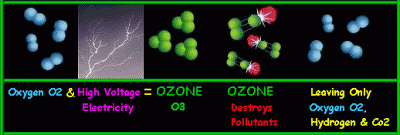
When most people hear the word ozone, they think of a protective layer of our atmosphere but aren't really sure what it is beyond that. Ozone is oxygen but with the molecular structure O 3 instead of O 2 . This additional molecule makes ozone a highly reactive oxidant. If inhaled, ozone can do some serious damage to our bodies. However, there is an application of this substance that is very therapeutic. But first, let's take a closer look at ozone.
In nature, ozone has a good side and a bad side. In the stratosphere, it acts as a shield, deflecting harmful UV irradiation. However, in the troposphere, ozone is a major component of the smog that harms humans, animals, and plants. When we breathe it, ozone can cause serious pulmonary and systemic side effects because it is such a powerful oxidant. a*
More on: Autohemotherapy: An effective tool to fight cancer

Wednesday, June 07, 2006

What causes the palms of hands to turn yellow or orange?

What causes the palms of hands to turn yellow or orange?

Carotenemia
Provided by: DrDonnica.com

Q: Recently I noticed that the palms of both my hands have turned a yellowish-orange color, like the color you'd get from a self-tanner.

The only problem is I'm not self-tanning. In fact, the only thing I'm doing differently is eating salad for lunch instead of fast food so I can squeeze into last summer's shorts. But shouldn't that make my skin rosier?

A: Are you sure you're just eating more salad?

One mistake many dieters make is to eat lots of baby carrots as though they are "free food." We like to snack on them because they're very tasty and healthy and we assume that if a little is good, a lot is better. But not only do carrots have a relatively high glycemic index, eating too many of them can cause the skin condition you described. This is called carotenemia and refers to the increased blood levels of carotene, the primary of Vitamin A.

The good news is that this condition is harmless and is not associated with increased levels of vitamin A. While carrots are the main source, carotene is found in all pigmented fruits and vegetables (especially squash, sweet potato, pumpkin, spinach, beans, corn and yams).

If your skin doesn't return to its normal color within four weeks of a lower carotene diet, consult your physician. While carotenemia is rare in other conditions, it has been found with hypothyroidism, diabetes mellitus, anorexia nervosa, liver disease, and renal disease. There is also a similar condition called lycopenemia, which causes an orange-red discoloration of the skin. This is a result of excessive intake of tomatoes and beets.

What to Do When Weight Loss Stalls


What to Do When Weight Loss Stalls
Provided by: DrDonnica.com

Q: About a year and a half ago, I underwent gastric bypass surgery (at the time I was 200 pounds overweight). Since then I've lost about 80 pounds, which is great, but I still have 120 to go, and I haven't lost a single pound in three weeks. I exercise regularly and follow a balanced diet, but the scale doesn't budge. What can I do to speed my weight loss?

A: First, give yourself credit for the tremendous strides you have made towards improving your health! An 80-pound weight loss in less than 18 months is terrific!

With any weight loss plan, it's normal and expected to experience plateaus from time to time. The good news is that your weight isn't increasing! To get back on the "losing" track, you may now need to adjust your caloric intake to your new weight. Speak with a dietician about how many calories you really need at this point. Keep a diet log in which you record all of your food and beverage intake as well as your daily exercise and bring this with you to review with the dietician.

Focus on portion size as well as food choices. Look for hidden calories. Drinking regular soda or fruit juices rather than water, for example, can really add up. You may also want to review your exercise regimen with your physician and see if you can crank it up a notch. Now that your physical health has improved significantly, you can probably exercise at a more vigorous level. This is important for you to burn more calories as well as to tone your muscles as you lose weight.


Weight Loss Plan Kit

Weight Loss Plan Kit

$172.80
[ learn more ]

Add to Cart

Includes: Oxy-Powder, Slimirex (180 Count), Weight Loss Secrets Revealed, Ten Super Secrets for Weight Loss

Monday, June 05, 2006

Hidden Soya In Fast Food 'Cutting Men's Fertility'

Hidden soya In Fast Food 'cutting Men's Fertility' Antony Barnett, public affairs editor Sunday November 7, 2004 The Observer Britons' love of convenience food packed full of 'invisible' soya is a cause of declining sperm counts and a host of fertility problems, new research into its impact on Western diets reveals. Many healthy foods such as soya milk and soya yogurt are also implicated. A team led by Sheena Lewis, professor of reproductive medicine at Queen's University in Belfast, has conducted studies linking soya to reduced male fertility. Scientists believe chemicals in the soya bean mimic the female hormone, oestrogen. The research is disclosed in an investigation into the multi-billion dollar global soya industry published in today's Observer Food Monthly magazine. It reveals that soya is no longer eaten just by vegetarians but used as cheap protein in most processed and fast foods. Other research has linked the hormonal chemicals in soya to certain cancers, brain disease and developmental abnormalities in infants. Lewis said: 'Chemicals found in soya can lower sperm count ... The results do give us concerns and there need to be further studies on a much larger scale.' One of his team, Dr Lorraine Anderson, said: 'If you alter the oestrogen that a man is exposed to, you can not only affect their sperm quality but you can get an increase in structural abnormalities like undescended testes.' She believes this could lead to other problems later in life, such as testicular cancer. The Soya Protein Association, which represents food makers, said: 'We have seen no convincing evidence that soya causes any harm.'

FDA Knew Problems At Vaccine Plant Were Pervasive...

FDA Knew Problems at Vaccine Plant Were Pervasive, Documents Show BY MIKE MCGRAW Knight Ridder Newspapers KANSAS CITY, Mo. - (KRT) - American regulators knew five years ago that contamination at the now-infamous vaccine plant in Liverpool, England, was both pervasive and persistent, documents show. In fact, evidence was so overwhelming that regulators should have shut down the plant or sought alternative flu vaccine sources long ago, say some vaccine and pharmaceutical experts who have reviewed the documents. Instead, the United States has lost 48 million doses of flu vaccine - half its supply - after British regulators found more contamination and suspended the plant's license last month. Documents obtained by The Kansas City Star show the Food and Drug Administration five years ago noted that the plant, then owned by the British firm Medeva, had failed to correct longstanding problems. But the agency continued to allow the plant to supply the U.S. market despite clear departures from what the agency calls "Good Manufacturing Practices." Indeed, Medeva plant managers failed to identify the source of serious and potentially deadly contamination in partially processed vaccines. They attempted to get around the problem by taking such steps as mixing samples of highly contaminated vaccines with cleaner lots in order to reduce bacteria levels. FDA officials say later inspections show the plant made improvements, but four experts who reviewed the documents at the newspaper's request questioned why the FDA did not take stronger action in 1999. "The license should have been pulled in `99 regardless of vaccine access issues," said Sarah Sellers, a pharmacist, former FDA adviser and consultant on pharmaceutical policy and regulation. "The problem was not new then, and it is not new today." The findings in the 1999 FDA inspection report angered one congressman who is helping to lead an investigation into this year's vaccine shortage. "To have years of warnings like this and do nothing is government malpractice," said Rep. Henry Waxman, a California Democrat and ranking minority member of the House Committee on Government Reform. "It is clear from this report that it is no unexpected accident that we have a flu vaccine shortage. The problems at the plant were systemic and known years earlier." Although the 1999 report showed widespread contamination in the manufacturing process, including unfinished vaccines, tests indicated that later sterilization made the completed vaccine usable. In fact, Lester M. Crawford, acting FDA commissioner, said Friday in a written response that this year was the first time inspectors found contamination in the finished vaccine. Although the 1999 inspection found a problem in the final vaccine, it was a sterility failure confined to one lot manufactured the previous year, he said. "The most significant issues identified in 1999 were the lack of validation for its manufacturing processes, including establishing proper limits for bioburden (including bacteria) and issues related to assuring sterility in the manufacturing process," Crawford said. Inspections in 2001 and 2003, which the FDA has not yet released, found that the plant had made improvements, he said. Crawford did not respond to suggestions by The Kansas City Star's experts that the FDA should have taken stronger action after the 1999 inspection. He also did not say whether the earlier contamination problems were solved. His statement did say that the FDA required additional corrective actions in 2001 and 2003. Officials of a Belgian firm that now owns Medeva did not return calls requesting comment. At the time, however, Medeva officials agreed to correct many problems the FDA identified. In some cases, they objected to the FDA's findings. Sellers and others said that, based on their experience, they think it is likely that the 1999 and 2004 contamination problems are related. But they cannot be sure. The source of this year's contamination is not known. British and U.S. officials have yet to release further details or more recent inspection documents. Waxman, however, said one thing was clear. "The tragic reality is that tens of thousands of vulnerable seniors will not be protected from the flu this season," he said. "If the government had taken strong action, the current crisis could have been avoided." The plant, which is more than 25 years old, has had a history of problems under a succession of owners. Just a few months after the FDA's 1999 inspection, polio vaccines made at the plant were recalled because of concerns they were contaminated with mad cow disease. In 2001, hepatitis A vaccines being filled into syringes at the plant were also ruined by contamination problems. The next year, routine testing of tuberculosis vaccine made there showed low potency levels. During those years, Medeva merged into Celltech Pharmaceuticals Ltd., another British firm. In 2000, the plant was sold to PowderJect Ltd., another U.K. pharmaceutical company. Chiron Corp., a U.S. biotech firm, purchased PowderJect in mid-2003. The plant has changed hands so many times that the name of one former owner can still be seen under the light green paint on the brick-and-metal building. Most owners said they had invested in plant improvements. Throughout all the changes, the vaccine, Fluvirin, has remained the same. About the time of the Chiron purchase, the FDA returned and again found contamination in the flu vaccine process, but no significant problem with the vaccine itself. The FDA relied on Chiron to fix the problems, but the company reported in August that some vaccine was contaminated. FDA inspectors returned in October after British regulators suspended the plant's license for three months, citing contamination in the flu-vaccine-making process. Crawford said the FDA in each inspection in recent years had reviewed the company's plans to respond to its findings. "If fully implemented, the company's plans appeared adequate to correct deficiencies," he said. In a class-action lawsuit filed last month, Chiron stockholders allege that the company knew the plant had serious contamination problems since at least 2000 and failed to address them or warn its stockholders. "Rather than coming clean about the serious deficiencies at the Liverpool plant," the lawsuit said, "defendants concealed these problems for as long as they could." A Chiron representative said: "We are taking a prospective rather than retrospective view right now with our public communications. Right now the company is focused on our remediation plan and working with (U.S. and British authorities) to get back on track for the 2005-2006 season." The Kansas City Star obtained a copy of the FDA's 1999 inspection of the plant last week. The report was part of a lawsuit filed on behalf of a woman who allegedly became paralyzed as a result of a 1998 flu shot manufactured at the Liverpool plant. Chiron settled the case earlier this year, but the details are sealed, said the attorney in the case. The report shows that FDA officials visited the plant for over a week during a biennial inspection in 1999 and found 17 problem areas. For example, the plant: Mixed samples of highly contaminated vaccines with cleaner ones in an effort to improve test results. Failed for several years to verify to the FDA's satisfaction that its production process met rigorous standards. Raised its limits for allowable contaminants, such as bacteria and toxins. Failed to control air flow and other possible contamination sources. Could not produce critical documents about problems in the manufacturing process. Inspectors also said the plant, unlike newer facilities, lacked alarms that would alert workers to bacteria entering through the heating and cooling system. They noted that at least 21 batches of the vaccine distributed during the 1999-2000 flu season had to be filtered more than once to make them sterile. Before the vaccine went through its final filtering, testing found such bacteria as E. coli, which produces a powerful toxin and can cause severe illness, and Chryseomonas luteloa, which can cause meningitis. Testing showed that at some points in the process, the vaccine had bacterial counts hundreds of thousands of times higher than plant tolerances. Although testing in 1999 did not identify all of the specific bacteria found, there was no mention that tests detected Serratia, the bacteria that entered this year's batch of flu vaccine during the final step of the manufacturing process. The report noted that FDA inspectors had found additional problems in 1997, and that Medeva officials were in the midst of their ongoing investigation into increased contamination inside the plant. The FDA inspection quoted from a draft of a management report that said monitoring had begun to show an increase in contamination since about 1998. "To date the evidence suggests that the source of the microorganisms lies within the process equipment or materials rather than chance contamination from the environment or operations," the Medeva report said. The FDA issued a warning letter to Medeva the following October, citing "significant deviations from the acceptable standards and requirements of the Food, Drug and Cosmetic Act." Problems included failure to maintain and sanitize equipment "to prevent malfunction or contamination." License suspension was one possible result, the agency said. The warning letter was one of three the FDA issued among 20 vaccine manufacturers it inspected that year. The company responded on Nov. 15, accepting some of the findings and arguing in other cases that the FDA had misinterpreted some of the information its inspectors gathered. Company officials noted they were still looking into increased microbial levels but there were no "conclusive findings." The FDA responded in March 2000, saying it would verify the company's corrective actions during the next inspection in 2001. In the meantime, the director of the FDA's case management division wrote, "The FDA continues to have concerns." Specifically, she said, the company's allowable tolerance of contaminants was unacceptable. After reviewing the inspection report, several experts said the problems were significant. The experts comprised a physician who specializes in virology, two pharmaceutical experts and a former industry executive who now does consulting work. "If I were the FDA, I would have said, `Let's go get a contract with a new plant,' " said Ashim Mitra, chairman of pharmaceutical sciences at the University of Missouri-Kansas City. The process of mixing cleaner vaccines with more contaminated samples alone "is a reprehensible practice," Mitra said. While the finished vaccines were most likely safe, Mitra said, the continuing contamination problems rendered the plant "a time bomb" in which contamination could eventually reach the final product. "Oh, dear," said William Schaffner, a Vanderbilt University infectious disease expert, when told of the mixing operations and other practices. "If you are a plant manager, that is one way of meeting a standard, technically, but you are evading the intent." Schaffner said he was not an expert on flu vaccine manufacturing, but as a doctor, "I would not expect a physician or someone interested in vaccines to use a vaccine where a manufacturer gets this kind of report card." Sellers said the state of affairs inspectors found at the plant was frightening. She said she was surprised the FDA's warning letter did not determine the company's vaccines were "adulterated" based on a strict interpretation of federal food and drug laws. Such a finding would require the FDA to pull products from the market. The fact that the plant's manufacturing process had not been validated (certified by the company as effective) since the early 1990s was a "stunning" finding by the FDA inspection team, said Sellers, showing possible lapses in earlier FDA inspections. Sellers thinks that the FDA needs more resources for overseas inspections, and that it missed an opportunity to avoid today's health crisis. "If the license was pulled and the problems dealt with in `99, we may not be facing a national public health crisis," Sellers said. The British license suspension this year should not have surprised U.S. officials, one expert said. "It should have come as no surprise that there was a potential for this episode," said David Webster, a former Aventis executive and now a biotech consultant. "You have all sorts of evidence, including these documents from 1999, the earlier recalls and manufacturing problems. It's not like this plant had batted a thousand for 10 years and then got into a slump for a month." In fact, Schaffner, a physician and chairman of the Department of Preventative Medicine at Vanderbilt, said he was surprised no one at the FDA seemed to go into attack mode when the most recent contamination problems became evident two months ago - especially given what they now appear to have known five years ago. "Nobody at the FDA said `Holy Toledo, we've had bad contamination problems there in the past and these new problems imperil half the supply of flu vaccine in the U.S.,'" he said. "The FDA seemed to handle this in its routine, bureaucratic fashion. "The light never went on; they dropped the ball."

Chesapeake City Water Causesd Miscarriages?

Virginia high court throws out lawsuit claiming Chesapeake city water caused miscarriages By LARRY O'DELL Associated Press Writer November 5 2004 RICHMOND, Va. -- Virginia's Supreme Court on Friday threw out a lawsuit filed by one of more than 200 women who claimed that drinking contaminated Chesapeake city tap water caused miscarriages or birth defects. The court cited the doctrine of sovereign immunity, which shields municipalities from liability arising from their exercise of governmental functions. The unanimous ruling reversed a decision by Circuit Judge Norman Olitsky, who had rejected the city's immunity defense. Helen Cunningham's lawsuit sought $6 million in damages. The ruling in her case effectively nullifies an additional 212 lawsuits seeking nearly $2 billion--more than triple the city's annual $671 million budget. "The result is that these clients have no recourse," said Gary Bryant, a lawyer for Cunningham and many of the other women. "Regardless of whether they can prove the acts alleged in the complaint, because of this ruling they cannot pursue those claims." Chesapeake City Attorney Ron Hallman said he is convinced that the city would have won all the lawsuits, "but getting to that point would have been very difficult and expensive and time-consuming. The taxpayers are the ones who would have been paying for it." Cunningham and the other plaintiffs alleged that city officials misled them about high levels of trihalomethanes, or THMs, in the city's drinking water. Some studies have linked THMs to increased health risks for pregnant women. THM forms when chlorine mixes with organic material, such as algae and leaf particles, in the water. The city, which obtains its drinking water from the Northwest River, obtained a temporary exemption from state THM limits while the water treatment plant was being upgraded in 1998. Cunningham suffered a miscarriage during that time. The city issued warnings about the high THM levels through newspaper ads, notices in water bills and letters to obstetricians, the Supreme Court noted. News reports also focused on the situation. "Because we find that the city's redesign and planning of the plant and its public information campaign regarding temporary risks associated with consuming city water were governmental functions, sovereign immunity applies to bar Cunningham's claims," Justice G. Steven Agee wrote. The court rejected Cunningham's claim that the operation of the water works was a "proprietary" function, which means it is not unique to what governments do. The court said upgrading the plant to protect the public's health is clearly a government activity. The women claimed in their lawsuits that city officials knew about the THM problem when the plant was built in the early 1980s but did not warn the public until 1998. Their lawyers also claimed that residents relied on falsified test results made public by the city.

Sound and Light Therapy - Photons

Presented at the Neural Therapy Workshop on Sound and Light Therapy, Seattle, WA, February, 20-22, 2003. Photons and Phonons: Theoretical Concepts of Biophysics and Potential Therapeutic Applications W. John Martin, M.D., Ph.D. Center for Complex Infectious Diseases and the BioPhysics Institute 3328 Stevens Ave., Rosemead, CA 91770 (626) 572-7288 Introduction Life forms comprise lipid membrane-bound, nucleic acid containing, chemically complex and metabolically active, discrete entities that progressively reproduce to yield further copies of essentially the same life form.

The complex chemicals in living organisms are called “organic”, in contrast to “inorganic” chemicals in non-living environments. Life requires the initial transformation of inorganic to organic chemicals. These chemicals are then progressively modified by metabolic processes occurring in the living cells that comprise various living organisms. Metabolic co-operation among different life forms is a common occurrence.

It allows for an extensive overall network of balancing and supportive chemical exchanges that lead to an eventual re-conversion of organic molecules back into simple inorganic chemicals. The science of biochemistry is concerned primarily with the complex interactions between organic molecules that create and sustain life.

Biochemical abnormalities can be equated with specific diseases that potentially are correctable by the addition or subtraction of chemicals with drugs. For many diseases this chemical or pharmaceutical approach is effective and certainly sufficient to maintain reasonable wellbeing. Organic molecules possess other properties that are related to how they interact within the various types of energy fields that have been identified by physicists.

Biophysics primarily deals with these interactions and also with the requirement for energy from the sun in the initial transformation of inorganic to organic molecules. While far less well defined than biochemical methods, the potential of physics to reverse disease processes and to enhance wellbeing hold enormous promise for mankind.

Unfortunately, progress in medical biophysics has been impeded by the muddled thinking, exaggerated claims and patient exploitation practiced by many present and past proponents of this “alternative” approach to medicine.

The purpose of this review is to provide a summary of basic principles of energy physics and to illustrate how some of these principles are currently being used in medicine. The article concludes with a discussion of some of the advances expected in the field of biophysics, especially following the recent discovery of alternate cellular energy (ACE)-pigments.

The Originating Source of Biological Energy The process of capturing energy from sunlight and utilizing the energy to transform simple to complex molecules is known as photosynthesis. A portion of the sun’s energy is converted, (or transduced), to chemical energy that becomes incorporated into, and stored within, organic molecules.

The best studied example of photosynthesis is sunlight induced formation of glucose (a type of carbohydrate) from carbon dioxide (CO2) and water (H2O), with the release of oxygen (O2). This form of photosynthesis only occurs in plants and certain bacteria that contain chlorophyll, a specific light energy absorbing, magnesium containing, organic molecule. Specifically, the sun’s energy is used to activate electrons (defined below) that can be transferred to other molecules involved in carbon fixation Transferred electrons are replaced with electrons obtained from the hydrogen atom of water with the release of oxygen from the water molecule.

Nitrogen (N2) from the atmosphere is incorporated into organic molecules through the interaction of “nitrogen fixing” bacteria, some of which interact with the roots of certain types of plants. It requires an abundant source of adenosine triphosphate (ATP) plus hydrogen. ATP is a molecule with three phosphate (P) chemical groups, the last of which is bound by a high energy chemical bond.

ATP is mainly synthesized (produced) from adenosine diphosphate (ADP) by the oxidation of glucose which, as described above, is supplied to living organisms via photosynthesis. C6H12O6 + 6 O2 + ADP + P → 6 CO2 + 6 H2O + ATP Nitrogen fixation leads mainly to the production of ammonia (NH3).

This reaction is mediated by an iron protein and a molybdenum-iron protein molecular complex termed nitrogenase as follows: N2 + 8H + 16 ATP → 2NH3 + H2 + 16ADP + 16 P Nitrogen is a component of the amino acids that make up proteins, and of the nucleic acids that make up DNA and RNA nucleic acids.

Less well understood pathways exist for the assimilation of other minerals including, iron, sulfur, calcium, cobalt, manganese, molybdenum and magnesium, into organic molecules. Types of Energies The sun’s energy is in the form of electromagnetic radiation. Energy can exist in other forms, including electrical, magnetic, electromagnetic, kinetic, gravity, chemical and others. It can also exist as matter, according to the classical equation of Einstein: Energy (E) = Mass (m) x c (speed of light)2.

Energy can be a static force localized to a given area, although constantly extending an influence on its surroundings, or as a moving entity, changing its location as a function of time. The nature of the so called “ether” through which energies communicate is presently unknown. It can be perceived as a pervasive elastic (deformable) fabric interconnecting the entire universe of major galaxies as well as filling the void separating all known particles of mass and all expressions of energies.

Of special importance, the “ether” can apparently provide for restricted directional coupling between separated energy sources and can facilitate highly selective processes of energy transfers and energy transductions (conversions). Electrical Energy The fundamental essence of electrical energy is largely unknown and it is still described by its effects, rather than by its underlying nature. Electric charge can be equated with different types of particles present in the mass component (atoms) of all known chemical compounds.

The simplest atom is that of hydrogen, a major element of the sun. The hydrogen atom comprises a central core (or nucleus) with an electrically positively charged particle, called a proton, and an outer negatively charged energy shell, containing a much smaller particle termed an electron. The proton itself comprises various energy bound sub-atomic entities, termed quarks. The nuclei of all other atoms contain an additional type of particle that is uncharged and is called a neutron. It too is comprised of three quarks.

Static and Moving Charge A static (stationary) electrical charge is expressed as either a positive or a negative electromotive force and measured as volts. A negative charge is essentially an excess of electrons, while a region of positive charge has more protons than electrons. If electrons are able to move between the charged regions they will do so in the direction of negative to positive charge.

This movement of electrons constitutes an electrical current. It can be measured as amps and is directly proportional to the voltage difference between the charges, and inversely proportional to the relative degree of resistance being exerted against the flow of the electrons. By alternating the positioning of the positively and negatively charged regions, it is possible to create an alternating current that will have a frequency of change per second of time, which is expressed as Hertz. The flow of current can also be discontinuous and occur in pulses at regular or irregular intervals Chemical Energy Atoms combine to form molecules by sharing and/or exchanging electrons, bringing their atoms into closer proximity than when they existed as individual atoms. Electrical attraction leads to chemical bonding.

This conversion typically requires considerable energy which may also be needed for the chemical bond to be subsequently disrupted. There are approximately 92 naturally occurring major atoms, ranging from the simplest, which is the hydrogen atom, to uranium. The 92 primary atoms or elements can be distinguished according to the number of protons and neutrons that are present. Minor variations may also occur among the isotopes of certain atoms which differ solely in the number of neutrons. Uncharged atoms have an equal number of protons and electrons.

Loss of one or more electrons will create a positively charged atom. Conversely, a gain of one or more electrons will yield a negatively charged atom. The energy of an electron determines its average orbiting position relative to the nucleus of the atom. As the number of electrons increases, pairs of electrons are progressively positioned further from the nucleus at higher energy levels. Single, or unpaired, electrons can exert magnetic and other effects that are normally cancelled when they function in pairs. Magnetic Energy Magnetic force also has two facets, but unlike electricity, they cannot be separated. Magnetic energy is a property of a moving charge.

It can occur, for example, with an unpaired spinning electron. The electron spinning occurs in three distinct forms i) very rapid directional spinning on its own axis, ii) much slower rotational spin about that axis (precision), and iii) overall orbiting orientation with regards to comparable unpaired electrons in adjoining atoms. Electron pairs have opposing spin and this probably explains how they neutralize each other’s externally radiated effects. Interactions between certain types of atoms with unpaired electrons can lead to selective alignments such that the combined energies of the unpaired electrons lead to an externally discernable magnetic field. Longitudinally moving electrical charges also provide a surrounding magnetic field.

Conversely, a magnetic field will induce a moving force on an electric charge. Magnetic force is expressed in units of attraction and is typically measured as Gauss or Tesla, where 1,000 Gauss is 1 Tesla. Electricity induced magnetic energy can be static or in the form of regular fluctuating pulses induced by using an alternative current flow. Electromagnetic Energy Electromagnetic radiation from the sun is a moving force, comprising entities called photons. These energy packets are released from hydrogen fusion reactions occurring within the sun.

The movement of photons is accompanied by regularly fluctuating positive and negative electrical and magnetic fields which act transversely to the direction of the traveling photon and at right angles to each other. The frequency of synchronized electrical and magnetic fluctuation is directly proportional to the energy of the photon.

The speed of photon travel (speed of light) is essentially constant for all photons, although influenced by the nature of the material through which the photons are passing. The speed of light in space is 186,280 miles per second, and slightly slower in air. Since the speed is constant, the frequency of each fluctuating cycle per second of time (Hertz), is directly related to energy content measured in electron volts, and inversely related to the distance traveled in air during each complete cycle, expressed as the wavelength. Photons with wavelengths from approximately 400 to 700 nanometers (10-9 meters) in air comprise visible white light, which is a composite of the spectrum of colors seen in a rainbow. Higher energy photons include ultraviolet radiation, X-rays and gamma rays. Lower energy photons include infrared radiation and radio-waves.

A Figure showing the relationships between energy levels, frequency and wavelengths of the various manifestations of electromagnetic radiation is shown below. Kinetic (Movement) Energy The energy of movement can be found in the regular to and fro motion of an object. This motion can exert pressure on adjacent molecules. Vibrations tend to lose intensity over time, whereas the term oscillation applies to a more continuing repetition of the movement. They can be measured as both displacement distance (intensity) and rapidity of change (frequency per second or Hertz).

Objects tend to have a natural frequency at which they will vibrate if struck. Moreover, both the intensity and rate of vibration of an object and of its component molecules can usually be increased by the absorption of electromagnetic radiation, especially at frequencies in the infrared range. Conversely, an object with a higher rate of vibration will tend to emit photons of infrared frequencies to its surroundings. This emitted energy is detectable as heat.

Vibration energy can also be propagated between different locations by the progressive back and forth displacement of adjacent molecules. This compression/expansion of molecules occurs at speeds largely determined by the density of the molecules being vibrated. For air the speed of vibrations within the frequency range of approximately 20 to 5 million Hertz is approximately 335 miles per second (far less than the speed of light). Oscillation energy can also travel within and between molecules and is less constrained by the intervening medium.

The term “phonon” is primarily used to describe the energy packets that mediate the transfer of molecular oscillation energy along the lattice structures that comprise crystals and other tightly organized groups of interacting molecules. Phonon mediated intra- and intermolecular oscillations can also be transmitted via the “ether” and can exist as coupled directional energy exchanges.

Harmonics With every frequency, whether vibrational, or oscillatory, there are accompanying higher frequencies that reflect a subdivision of the primary frequency. These higher frequencies are termed harmonics and can be 2, 3, 4, 5, etc., times the primary frequency, typically with progressively diminishing intensity. Moreover, each periodicity of vibration can be additive, such that a final frequency is a summation contributed to by the primary frequency, harmonic frequencies and various additional combinations of the entire set of frequencies. Harmonics, additive frequencies and summations of energy levels also apply to electromagnetic radiation.

Infra- and Ultrasounds Oscillations and vibrations below and above the range of human hearing (20-approximately 15,000 Hertz) are called infrasound and ultrasound, respectively. At certain levels these frequencies can no longer be transmitted via the movement of air molecules. Gravity waves that can cause an attraction between objects in direct proportion to their mass may be part of an infrasound form of oscillation that is transmissible through the “ether.” Other Components of Mass and of Energy Other presumed particles and energy packets exist that are beyond the scope of this review.

They include positrons (an electron–like particle with a positive charge), neutrinos (a nearly mass-less particle without a charge), tachyons (a hypothetical particle larger than neutrons) and various forms of dark matter, dark energy and anti-matter. It is not difficult to envision the creation of circuits of these various energy forms analogous to the electron flow of electricity. Probably the biggest hurdle to overcome is a precise definition of what constitutes the “ether” that interconnects all of the various energy sources.

Energy Summation and Modulation As with harmonics, pooling occurs with each particular form of energy such that what actually is transmitted is an overall summation (and averaging) of all of the individual components. This is seen for example with a beam of white light which is a composite of traveling photons, with different wavelengths ranging from approximately 400-700 nm. At any point of time, the adjacent photons will typically be at different phases with regards to their fluctuating electromagnetic activity.

The electromagnetic effects on the “ether” will be an averaging of all of positive and negative influences. Opposing positive and negative effects will cancel the lesser of the two, while “coherent” or “in phase” effects will be additive. Similarly, with sound waves, the actual vibrations of air particles results from the combined effects of many interactive pressures and expansions.

Radio-waves passing through the environment are yet a further example of mixtures of energies at different frequencies and intensities. Information carried on a radio-wave can be in the form of either slight alterations (modulations) in frequency or intensity (amplitude) of a main “carrier” signal emitted from the radio station. Additional sources of radiation are being constantly introduced into man’s environment with uncertain biological effects. Energy Reception and Detection In spite of their complexities it is, nevertheless, possible to extract individual energy levels (wavelengths of light, sound or radio-waves) from a composite mixture using physical and biological means. For example, the speed of light is slowed as it passed from air though glass.

This slowing effect is directly related to the wavelength, and thus is more pronounced on red, rather than blue light. By angling the light through a prism, white sunlight can be “refracted” into a spectrum of rainbow colors. Biological discriminations are typically based on a cellular receptor system which can selectively respond to a particular form of energy that is fluctuating at a precisely time rate. In many systems, the amount of absorbed energy corresponds to the difference between two alternative states of the receptor. This property can be assessed by determining which part of a broad spectrum of energy is selectively absorbed by a particular biological system.

With sensitive enough instruments, it is theoretically possible to detect and quantify the specific energy emitted from a receptor as it passes from a higher to a lower energy state. Rather than absorbing energy, certain structures can simply reflect or deflect its direction of travel. This can apply to the whole spectrum of the energy or to only parts of the energy spectrum.

Thus, for example, the color of an object simple reflects the remaining spectrum of wavelengths of white light that are not absorbed by the object. These wavelengths are reflected from an opaque object but pass through a transparent object. Energy Transduction A fundamental concept, first enunciated by Newton, is the strict conservation of energy. Thus energy is not removed from existence, although it can be stored in the form of mass. In a wide variety of ways, energy can be converted (transduced) between different forms.

As an initial event, energy has to be absorbed to become converted into another form. As discussed above, energy absorption can be a highly selective process occurring only when the amount and type of absorbed energy exactly corresponds to the difference in energy levels between two alternative energy states of a receptor. Seemingly the absorbed energy has to continue to function and cannot be placed into an object or situation where it is inactive. In the new situation, however, it can assume another form and this change is referred to as transduction.

Prominent examples of energy transduction include: Absorption of a photon of light to elevate the energy and orbiting position of an electron. As expected, the differential energy levels of several molecules, such as chlorophyll, correspond to specific wavelengths present in visible light.

The higher energies of photons of X-rays and gamma rays can so elevate the energy of an electrons in many molecules that the electrons are emitted from the molecules leaving an excess of positive charge. Because of this property, X-rays and gamma rays are termed ionizing radiations. They can also directly damage the nuclei of atoms. Other examples of energy transduction include the exchange of energy between an infrared photon and molecular vibration; added sound-induced pressure on a molecule and creation of an electric current (piezoelectric effect); orientation of a charged molecule in response to a magnetic field, etc. Biological Examples of Energy Transduction.

Energy transductions play critical roles in effecting and regulating many biological processes. Prominent examples of energy transduction in biological systems include the following: Absorption of photons to elevate the energy levels of electrons in chlorophyll with the subsequent transfer of these electrons to the photosynthesis process. With certain other pigments, the light-photon-absorbing electrons simply return to their baseline state with the re-emission of photons of somewhat lower energy than those originally absorbed.

The re-emitted light is known as fluorescence. The energy difference between the absorbed and emitted photons is made up by either additional vibratory energy of the absorbing pigment or added release of photons in the infrared (heat) range. Light induced fluorescence of chlorophyll in a plant is a sign of cell damage affecting the normal channeling of photon-activated electrons into photosynthesis. Specialized cells in the eye contain a light-photon sensing molecule called rhodopsin which, like chlorophyll, can absorb photons with energy levels corresponding to visible light.

This energy is converted into a chemical reaction within a class of so called G-binding proteins that eventually trigger an electrical reaction that is passed along the cell membrane into the brain. Specialized cells in the ear can respond to vibrations of frequencies in the range of 20 to 15,000 Hertz and transmit the signal to the brain where is perceived as sound. Speech is the induced vibration of air mediated by the muscular constriction of vocal cords during exhalation.

There are various sensors in the skin and other organs that respond to pressure, vibration, infrared radiation (heat) and to changes in proton and electron concentrations (pH). Other striking examples of specialized energy transmitting and/or reception among animals include radar (an abbreviation for Radio Detection And Ranging) in bats, Sonar (an abbreviation for sound navigation and ranging) in whales; electric sensors in the Australian platypus, magnetic field guided navigation in birds, light flashing in fireflies, etc. Normal cells have an electrical energy across their lipid cell membrane. It is due to a relative predominance of negatively charged ions insufficiently counterbalanced by cations (predominantly K+), and an excess of cations (predominantly Na+) outside of the cell. This negative charge can be temporarily abrogated by allowing for transient Na+ input into the cell.

This process can occur in a progressive manner along nerve cells allowing for the transmission of an electrical signal. The brain is awash in multiple oscillatory electrical circuits, grouped according to their frequency range and other associations. The more prominent are beta waves, from 14 to 20 Hz, which are found in our normal waking state of mind. Alpha waves, from 8 to 13 Hz, can become prominent during daydreaming or meditation. Theta waves are from 4 to 7 Hz, and also occur in states of deep meditation. Delta waves, from 0.5 to 3 Hz, are especially seen in deep sleep.

The heart also displays rhythmically oscillating electrical activity, as can many muscle groups. It is reasonable to expect that the body’s energy fields would be interactive and able to exert global effects on many cell types throughout the body. Individual proteins within a cell can also oscillate in response to the passage of electrons that can cause molecular contractions and relaxations depending upon their distance from a proton rich region. Other proteins can be in a state of flux as they carry on such functions as transport, repetitive movements, intermolecular binding and chemical change.

The movement of electrically charged free electrons, atoms and molecules can create magnetic fields that can potentially affect other areas of a cell as well as neighboring cells. Different molecules can respond in unison with coupled oscillations and other forms of energy transfer. Energy bonding of related molecules can yield relatively large functional units. Distinct molecules, including different polymers, can also physically associate, but usually in a more easily reversible manner. The types of associations can include the formation of liquid crystals with separate regions for donating and accepting electrons.

Chemical Versus Physical Properties of Molecules The above considerations allow for interesting distinctions to be made between the chemical and physical properties of organic molecules. Principally, the chemical reactivity of a molecule is viewed as being mainly related to arrangements of outer electrons on accessible atoms. While there is an enormous potential for specificity and for precise discrimination, the activity is essentially confined to individual interacting molecules. Physical interactions, on the other hand, can involve series of linked molecules that function as a whole, rather than individually.

The complex entities can exert and can respond to electrical, magnetic, electromagnetic, oscillatory and other energy forms, that can act at varying distances throughout an organism, and even between organisms. While there may not be the fine discrimination of precise chemical reactions, there can be an overall coordinating influence affecting an entire set of cellular structures. As biophysics grows as a scientific discipline, sensitive instrumentations will become available to pursue the modes of non-chemical energy communications within living organisms. At the present time, energy methods are proving to be particularly useful in medical diagnostics.

Diagnostic Uses of Energy Emitting and/or Recording Devices Structural information on internal organs of the human body is routinely obtained using various imaging techniques, based on differential absorption or reflection of particular forms of energies. Prominent examples include X-rays, ultrasound, magnetic resonance imaging (MRI) and positron emission tomography (PET). X-rays are differentially absorbed by tissue components; bone being highest and air filled cavity spaces the lowest.

Ultrasounds are reflected back from regions of transitions of tissue densities and can effectively outline various organs. Ultrasounds can also be used to assess rates of blood flow through major arteries and veins. With MRI, the water molecules in tissues are aligned with a powerful magnetic field. This orientation is periodically modulated by the application of pulsed radio-waves and the rates of return to the magnet induced orientation of different regions of an organ measured. Sensitive methods are being developed to apply diagnostic imaging to histological tissue sections and to individual cells, obtained for example, by fine needle aspirates.

Energy recordings of electrical activity emanating from the brain (EEG) and heart (EKG) are also commonly monitored to assess the functioning of these organs. Similarly, nerve conduction times and induced muscle activity can be electrically recorded. Thermography can be used to highlight areas of abnormally high or low release of infrared photons. The measurements of electrostatic fields surrounding an individual or the conductance of an applied electric impulse between different regions of the body are occasionally used but are of unproven diagnostic.

Accepted Therapeutic Uses of Externally Applied Energy. The detrimental effects on cell viability of high levels of ionizing radiations can be used to retard the growth, and even to eliminate cancers. Externally applied electrical currents are routinely used to overcome a lack of normal cardiac rhythm. The brain is also the target of electrical and magnetic energies in electroshock and repetitive transcranial magnetic stimulation (rTMS), respectively.

Both with the heart and brain, the external energy is mainly being used to allow for a recovery of the underlying normal electrical rhythm. Ultrasounds are used to induce vibrations and mechanical fragmentations of renal and gall bladder stones (lipotripsy). Radiofrequency induced heat is used in cauterizing instruments to control minor blood leakage in surgery. Light is used to chemically transform elevated levels of lipid soluble, to water soluble, bilirubin in newborn infants with jaundice. It is also being used to activate the toxicity of light sensitive materials introduced into tumor cells (photodynamic therapy).

Biological Effects of Low Level Energy In spite of this potential sensitivity to external energy fields, there is little clear documentation of reproducible, quantifiable and beneficial biological effects of relatively low level electromagnetic, electrical, magnetic or sound energies in human physiology. In pursuing such studies, one may need to separate those who are normal (in whom there may well be no effect) from those with an energy treatable disorder. Limited data from Dr. Becker suggest a role for low level electrical stimulation in the healing of bone fractures. Other data indicate potential pain relief from both electrical e.g. TENS (Transcutaneous Electrical Nerve Stimulation) machine and pulsed magnetic energies e.g. Magnetic Molecular Energizing and PAP-IMI machines.

The reduction in tissue swelling with these and other modalities is consistent with an enhancement of lymphatic draining. Seasonal affective disorder is seemingly due to diminished sunshine and can be partially corrected using full spectrum light. Given the intrinsic sensitivity of the brain to environmental and interpersonal influences, it is not surprising that claims are commonly made to the effects of sound, aromas, magnets, vibrations, light, etc., on mood, thinking abilities (cognition), and stress levels.

EEG neurofeedback provides a potential qualitative method to determine whether changes are actually occurring in the brain’s electrical circuitry as a result of such stimuli. Healers can be particularly convincing in their belief systems that not uncommonly include the notion of being a conduit for spiritual energy from God. Most of the claims made by alternative medical practitioners and healers are judged by rational observers to be flawed.

This is because the claims lack a rational scientific foundation and because they are not substantiated by objective, double-blinded studies. The first defect is usually answered by claiming that science is not sufficiently advanced to provide a meaningful explanation. The second defect is generally one of unwillingness to perform the studies, with the issue of cost being paramount. Government regulatory efforts to protect the public (possibly with undue encouragement from the pharmaceutical industry) also act as a deterrent for mainstream medical practitioners to become affiliated with proponents of energy medicine.

The Future of Energy Medicine In spite of these shortcomings, there is an exciting future for energy medicine. Research work is pointing towards the existence of an alternative cellular energy (ACE)-pigments that can capture external energy sources, even more so than chlorophyll. ACE-pigments have been identified in patients infected with atypically structured, non-inflammation inducing (stealth-adapted) viruses. Studies have shown these pigments to be responsive to sound, light and magnetic energies.

Their discovery has given a new impetus to improving the methods of energy delivery and to the establishment of well conducted clinical trials. Potential natural sources for ACE-pigments are being explored and experiments ranging from tissue regeneration, wound healing, metabolic resuscitation of viral infected cells and, energy induced destruction of cancer cells are either underway, or in the planning stage.

A brief review of some of these energy delivery systems to be used for targeting and/or activating ACE pigments is as follows: Sound: ACE-pigments were shown to vibrate at specific frequencies. They could also be vibrated using various forms of traditional music. A feature of many of the recordings shown to be particularly active is the broad range and relative intensity of the many harmonics present in the music.

Even with single instruments, one can observe potential benefits in creating harmonics with a 7 verses a 5 string violin, or a 12 versus a 6 string guitar. The delivery of vibrations outside of the range of hearing may be desirable to avoid over stimulation of the auditory responses. These include ELF (extremely low frequencies) and ultrasounds beyond 15,000 Hertz, but typically still less that those used in ultrasound imaging. Light: The pioneer in this field of therapy was undoubtedly Dr. Royal Raymond Rife.

As early as the 1930’s he was able to electrically excite certain gases using impulses set at varying frequencies (and their harmonics). Using sensitive microscopic techniques he observed fluorescence in different microorganisms. By applying selected frequencies to such organisms, he could identify a mortal oscillatory frequency (MOR) for several types of bacteria. More importantly, he observed beneficial effects in patients exposed to light emissions arriving at defined frequencies.

Newer light sources now exist including LASER (Light Amplification by Stimulated Emission of Radiation) and powerful LED’s (Light Emitting Diodes). An issue of relatively poor transmission of visible light through the body can be addressed using the principle of rapid firing of better penetrating lower energies photons that can achieve multiple hits on the same target, so as to achieve the energy level of visible light. Magnet: A PAP-IMI device for ultra-short pulsed magnetic impulses is proving useful in pain relief and accelerated healing.

Especially with the development of the MRI, powerful magnets with 5 or more Tesla strength are becoming available for experimental clinical therapeutic use. Conclusions The opportunity clearly exists to evaluate various biophysics modalities in well designed experimental and clinical studies.

Basic tissue and microbial culture methods provide ready sources of life forms to test the importance of energy-based parameters. Solid conclusions from such studies can be applied to multi-cellular organisms, including plants, animals and humans. Improved instrumentation will allow for more objective findings, both at the molecular level and at the level of the whole organism. Critical experiments can be conducted to evaluate specific hypotheses and to refine precise mechanisms of action. It this approach is taken, it is very likely that biophysics will become a powerful adjunct to the practice of medicine and to the well being of mankind.
For further information, please refer to the web site http://www.biophysicsinstitute.com/

Kamarani