Saturday, December 17, 2005

Mainstream tag for ayurveda at varsity

Mainstream tag for ayurveda at varsity
Calcutta Telegraph, India -
Ayurveda, the most ancient branch of medicine in the country, is set to be included as a mainstream engineering and science subject at Jadavpur University (JU ...

Ayurvedic Medicine Forum http://www.DrEddyClinic.com/
The Ayurvedic Medicine Forum of http://www.DrEddyClinic.com/
invites you to share your thoughts. suggestions and your feedback.

Three-day global ayurveda summit from Dec 9

Three-day global ayurveda summit from Dec 9Malayala Manorama, India - Dec 5, 2005Kochi: A three-day global Ayurveda summit, said to be the largest meet on Ayurvedic system of medicine and therapeutics, will commence here from December 9 ...


Ayurvedic Medicine Forum http://www.DrEddyClinic.com/
The Ayurvedic Medicine Forum of http://www.DrEddyClinic.com/
invites you to share your thoughts. suggestions and your feedback.

Tuesday, December 13, 2005

Ayurveda advocated as method for weight loss

Dubai Herbal & Treatment Centre (DHTC) says that Ayurveda can help reduce weight. According to the centre’s Ayurveda specialist, Dr Asha Rani, the ‘science of life’ focuses on the five elements of a human being: space, air, water, fire and earth. “To remain healthy, all five elements must be balanced in the body just like in nature,” Dr Rani said.

Obesity is referred to as ‘Medoroga’ in Ayurveda and is related to earth and water. When these two elements are in excess in the body, it leads to excess weight. In Ayurveda, the three doshas — Vata, Pita and Kapha — are the three energies of the body. Vata is responsible for circulation, respiration and elimination. Pita digests food and converts it into nutrients and assimilation, and Kapha is for protection and union, looking after all bones, organs and joints.According to Dr Rani, these three doshas should be in balance, as imbalance leads to disease.

Each individual is a combination of these doshas in different proportions. Depending on one’s constitution, in order to loose any excess weight, Dr Rani recommends diet and specific Ayurvedic herbs. She says the Ayurvedic process to lose weight works on the following three levels. To eliminate toxins, a good weight loss program must be given with detoxification and Ayurvedic herbs. Balancing all three doshas requires the use of additional herbs based on the patient’s needs.


Finally, Ayurveda recommends a different diet to each person with in order to maintain weight and healthy lifestyle. Yoga and breathing are given to lose weight and moderate exercise helps to strengthen muscles and increase stamina. DHTC has recently appointed a new Ayurveda specialist, Dr Manoj Kumar, who specialised in rehabilitation. Dr Kumar holds a Bachelor of Ayurvedic Medicine and Surgery and has additional qualifications in Modern Medicine and Rehabilitation Medicine. “Ayurveda relies heavily on a profound understanding of the vital forces and its manifestations on the psycho-physical body system,” said Dr Kumar.

more info:


Weight Loss Plan Kit

Weight Loss Plan Kit

$172.80
[ learn more ]

Add to Cart

Includes: Oxy-Powder, Slimirex (180 Count), Weight Loss Secrets Revealed, Ten Super Secrets for Weight Loss

more information on oxy-powder:

http://www.dreddyclinic.com/products/ghchealth/supplements.htm#Oxy-Powder

Holiday stress is here! Want to know the 11 steps for stress ...

PR Leap (press release) - Chula Vista, CA,USA... This is achieved by progressive relaxation techniques borrowed from Meditation, Visualization, Self Hypnosis and Ayurveda, the ancient Indian science of life. ...Holiday stress is here! Want to know the 11 steps for stress management?

(PRLEAP.COM) Orlando, FL - Mike Angulo, a Life Coach, announced today that there are great ways for people to use their minds to manage stress during this holiday season. In his e-book, “Jack the Lizard”, Angulo explains in detail how to use 11 steps to handle adversity and stress. This book will allow anyone to find out how to create a stress-busting mindset for handling tough times, so that they can really enjoy the positive ones.

Jack, the book’s main character, falls into a hole with his two friends and figures out how to escape. He represents people who are experiencing any difficulty in life. His story teaches anyone, young and old, how to use the mind differently to find ways out of a problem and to see fear, not as an obstacle, but as a signal to take action. The full story is available for download at http://www.stressreliefcoaching.com/

The "Stress Relief Coach" explains that people simply have to learn to use their minds more intelligently, focusing on the results they want instead of obsessing about the troubles they’re facing. “Jack the Lizard” shows exactly how to do just that.

more info:

Gut bacteria may provide insight into weight loss

Student Life - St-Louis, MO, USA... of the Center for Genome Sciences at the School of Medicine, and the Dr ... down polysaccharides, a carbohydrate found in plants that are integrated into everything ...When a grocery shopper glances at the nutritional information on a box of Cheerios, the number of calories is 110 calories for a serving size of one cup. But depending on the type of bacteria living in the shopper's gut, the full 110 calories may not be fully absorbed. The number of calories denotes "the absolute amount of energy in that serving, and shoppers with different [types] of bacteria in their gut may harvest and store different amounts of energy from that same serving," said Jeffrey Gordon, the director of the Center for Genome Sciences at the School of Medicine, and the Dr. Robert J. Glaser Distinguished University Professor.

Over 800 species of microbes live in the human gut. Consequently, research on bacteria may be able to offer insights about how energy and weight are stored in the human body. Gut bacteria also may be the key to drug therapies that could treat a variety of digestive or weight loss processes. Gordon, along with Ruth Ley, an instructor in molecular biology and pharmacology, recently received approval from the National Institutes of Health to sequence 100 microbial genomes.

"We think of this as the next logical step in the human genome project because the micro-biome is an integral part of our genetic landscape," said Gordon. "We can begin to understand the different types of properties these organisms bring to us.

""Most people think of bacteria as being adversaries, pathogens, [but] we think that most of our encounters with microbes are friendly and mutually beneficial," he continued.

Although the microbes that reside in human guts are foreign entities, often introduced at the time of birth, from mothers and from the environment, they are essential to digestion and fat storage. "We've done experiments in [bacteria] free mice that show that when you add bacteria in a very short period of time, the mice acquire a market increase of 60 percent in the amount of fat cells," Gordon said.

more info:

Treating a Headache Just Got Easier

KFYR-TV - Bismarck,ND,USA... Nothing helped. It wasn`t until Maureen came here, to the St. Alexius Center for Integrated Medicine for occupational therapy, that she found relief. ...
Maureen Orthmeyer has been battling severe headaches for more than half of her life.

She`s tried just about everything to get rid of them. "I took all the mercury out of my mouth, thinking that that would help too. I lost a lot of weight thinking the stress off my body would be helpful. I did exercises," she said. She even cut her hair, thinking her long hair was weighing her down, and causing headaches. Nothing helped.

It wasn`t until Maureen came here, to the St. Alexius Center for Integrated Medicine for occupational therapy, that she found relief. "We`re trying to do mainly hands on therapy to get the inflammation down in the muscles. Get rid of the trigger points, get rid of some of their pain," Occupational Therapist Karen Gayton said. First an assessment is done to figure out what`s causing the headache.

It could be any number of things like stress, tension, hormones, certain foods, and allergies. Karen says they mainly treat patients with tension headaches, which can be a result of stiff muscles in the neck or back. "With a lot of clients it`s not just getting the inflammation down, but getting the flexibility back.

Increasing the range of motion, getting mobility back," Karen said. And there are all sorts of tools they use and clients can use to help loosen the muscles and stop the headaches. Occupational Therapy incorporates stress management techniques that people can do at home like this miracle ball and these theracanes.

There`s a manual theracane and an electrical theracane that can target certain areas on the back that are causing the headache. "My headaches went from a 7-8 pain scale to a 1-2 now. And I have a lot more energy," Maureen said. It`s only been 5 weeks, and her severe migraines are no longer controlling her life. Now she can look forward to many more pain-free days.

More about headache:
http://www.dreddyclinic.com/ayurvedic/ayurvedic.htm
http://www.dreddyclinic.com/education/education.htm
http://www.dreddyclinic.com/

Sunday, December 11, 2005

Ayurvedic Tips to Keep Your Heart Healthy

from Vasu Nargundkar
Heart Statistics

Heart disease is the number one killer of both men and women in the United States.
Every 20 seconds, someone in the United States has a heart attack.

One in four Americans has some form of heart disease.
Every 34 seconds someone in the United States dies of heart disease.
Heart disease takes more lives than the next seven leading causes of death combined.
The statistics are frightening: Yet, both modern medicine and ayurveda concur that there are things you can do every day to keep your heart healthy. Here are some suggestions to get you started. Pick one or two and start with those if you like, then add a couple more every few weeks until you are naturally living a heart-healthy lifestyle. Bonus: Not just your heart, but your entire physiology will thank you

Soothe Away Stress

According to ayurveda, a holistic approach to heart health requires you to nourish the emotional heart as well as the physical heart. The heart is not just a pump - it is the fountainhead of all emotions, whether it is joy and exhilaration or sadness and frustration. Mental and emotional stress disrupts the emotional heart. A number of ayurvedic herbs, including Arjuna, Brahmi and Ashwagandha, are renowned for their positive influence on the mind and emotional heart.

Cultivate The Positive

While warding off excess stress is essential to prevent the emotional heart from wasting away, actively seeking mental and emotional well-being can help the emotional heart flourish. Ayurveda talks about ojas, the substance that maintains life. The finest by-product of digestion and the master coordinator of all activities of mind and body, ojas leads to bliss, contentment, vitality and longevity. Inner strength and poise and the cultivation of positive attitudes and emotions increase ojas. Spend time everyday on those activities that give you this contentment and happiness. Listen to soothing or uplifting music, enjoy serene natural beauty, practice uplifting aromatherapy and sip relaxing herbal teas. Maintain a positive attitude and walk away from situations that distress or anger you.

Eat Right

Arguably the most critical step you can take towards heart health is to eat a heart-friendly diet. For a society used to fast food and eating-on-the-go, this is also arguably the most difficult step to take and maintain. But there are small things you can do to make your diet more heart-healthy: eat more servings of fresh fruits and vegetables, start your day with stewed apples or pears, include soaked blanched almonds in your diet, dress your veggies with fresh lime juice and eat heart-friendly spices such as fresh-ground black pepper and the antioxidant power-spice turmeric. Choose fresh foods over processed foods or leftovers, light foods over rich, deep-fried ones and warm cooked foods over cold, heavy foods.

Eat Mindfully

How you eat is as important for heart health (and overall health) as what you eat. Eat moderately, the ideal ayurvedic portion is what fits in your two cupped palms. Don't skip meals, because eating three meals at regular times each day trains your digestion to anticipate and digest your food. Stimulate a sluggish digestion with a slice of fresh ginger dressed with a pinch of salt and lime juice. Have lassi, made by blending one part fresh yogurt with three parts cool water, with lunch. Spike it with roasted ground cumin and fresh cilantro for flavor. Don't tax your digestion by eating late at night or eating a heavy meal at dinner.

Cleanse Ama From The Physiology

Arterial plaque is ama toxic matter that builds up in your blood vessels because your physiology cannot get rid of it efficiently. Ayurveda recommends a program of internal cleansing with every change of season to help your body flush out ama. Other things you can do to clear out ama is to drink lots of warm water through the day, go to bed by 10 PM to help the body cleanse itself during the natural purification time and eat a lighter diet high in fiber and antioxidants from fruits, vegetables, whole grains and nuts. Avoid drugs, alcohol and smoking.

Exercise Moderately and Regulary

You don't have to do a strenuous workout five times a week. The key is regularity. If you follow the ayurvedic principle of balaard exercising to half your capacity you can exercise every single day without straining your muscles. Walking is excellent exercise for everyone and excellent therapy as well. The early morning is ideal for taking a 30-minute walk. It will not only help your heart, it will prepare you for the day by charging up your circulation and your metabolism.

Get Your zzzs

Research studies have linked sleep deprivation to blood pressure problems, depression and other factors that increase the risk of heart disease. Ayurveda considers sleep just as important as diet in maintaining health. Practice good bedtime habits: favor restful, calming activities as bedtime draws near to help disconnect the mind from the senses. Keep your bedroom clear of distractions: television, computers, other work-related material. Maintain a temperature that is comfortable. Stay away from stimulants in the evening. Go to bed by 10 PM. Early to bed and early to rise still works to keep you healthy and energetic through the day.

Disclaimer: Information provided in this article is for the sole purpose of imparting education on Ayurveda and is not intended to diagnose, treat, cure or prevent any disease. If you have a medical condition, please consult your physician

About This Contributor: Vasu Nargundkar is the editor of Total Health News and other ayurvedic newsletters published by Maharishi Ayurveda at http://www.mapi.com/.

More informations:
http://www.dreddyclinic.com/ayurvedic/ayurvedic.htm

Ayurvedic Medicine Forum of http://www.DrEddyClinic.com/
invites you to share your thoughts. suggestions and your feedback.


Governor stresses need to popularise Ayurveda

THRISSUR: Stressing the importance of Ayurveda, Kerala Governor R L Bhatia said efforts should be made to popularise the Indian system of medicine.
Inaugurating the three-day Vaidyaratnam Global Summit on Ayurveda here, Bhatia said this system of medicine was very effective and it was essential to do a "propaganda" on its efficacy.
If proper publicity was given, Ayurveda could reach the masses not only in India but also abroad, he said.
However, under the existing Ayurveda system of treatment, it takes a long time for healing compared to Allopathy.
It was the need of the hour to find out Ayurvedic medicines with immediate healing capacity. "It could be achieved through improved research and development," he said.
About 1000 delegates, including 100 from abroad, are attending the summit.
Kottakkal Arya Vaidyasala's managing trustee P K Warrier delivered the E T Beelakandhan Moos memorial lecture.
Kerala Assembly Speaker Therambil Ramakrishnan presided.
http://www.kaumudi.com/news/121105/a_ind3.stm

Ayurvedic Medicine Forum http://www.DrEddyClinic.com/The Ayurvedic Medicine Forum of http://www.DrEddyClinic.com/
invites you to share your thoughts. suggestions and your feedback.

Propogating Ayurveda

by Ananda Kannangara
A rare publication on Ayurveda titled "Panchakarma Chikithsa" (Medical treatment), written by eminent Ayurvedic physician Dr. Gamini Wijesinghe will be launched at the Sri Lanka Foundation Institute on December 28 under the patronage of President Mahinda Rajapakse.

Chairman, University Grants Commission Prof. R.R.N. Mendis and Vice Chancellor, Colombo University Prof. Thilak Hettiaratchchi will also participate as guests of honour at the ceremony, scheduled to commence at 3.30 p.m.

In an interview with the Sunday Observer Dr. Wijesinghe said that lack of recognition focused by responsible State authorities on the development of Ayurveda in our country, the system has partly deteriorated and it is the duty of others indulging in Ayurveda to preserve the system at least by publishing books on Ayurveda medical treatments."This nature of books, especially written in Sinhala will immensely benefit the future generation specially for the medical students and those who are engaged in numerous Ayurveda research," he said.

Dr. Wijesinghe further said that the book has given a comprehensive description of six major diseases such as Arthritis (Sandivatha), Parkinson's Disease (Sheershagathavatha), Multiple Sclerosis (Sclerosis), Migraine (Vathajashirashoola), Psoriasis (Kitiha) and Epilepsy (Apasmara) and also a description of the necessary treatments to get rid of such diseases.

more info:

Friday, December 09, 2005

Richard Gere to girl next door

Financial Express - Bombay,IndiaRudraksha beads, obtained from the seeds of the Rudraksha tree have been used since ancient times in Ayurveda for preparing medicines. ...NEW DELHI, DECEMBER 8: Rudraksha, once associated with spirituality, has become a major health and fashion statement.

Whether it is rudraksha mala or a bracelet, even beads on the dresses, from Richard Gere to the girl next door everyone can be seen sporting it.
Rudraksha beads, obtained from the seeds of the Rudraksha tree have been used since ancient times in Ayurveda for preparing medicines. But more people are now taking to it following researches worldwide that they possess electro-magnetic powers, says Tanay Seetha, a Mumbai-based Rudraksha Therapist.

The therapeutic effects of rudrakshas on ailments like blood pressure, heart disease, psychological stress among people have been proved by researches, he says.Rudraksha has also become a fashion statement since designers started using them some two-three years back. Today almost every fashion boutique and jeweler uses them, says Samir Kumar, a jeweler here.

Women generally combine rudraksha and gold beads for neckwear, men too wear them either as small mala or bracelets, he says noting most wear them as fashion statement, without realizing which type of rudraksha goes with their astrological chart.
However, Seetha, who held an exhibition here recently, says people are becoming aware of the beneficial effects of Rudraksha and also have some knowledge of the facets of the bead, which is the most important aspect of it.

more info:

Wednesday, December 07, 2005

Massage For You

Massage according to your ConstitutionThere are three doshas (or humors) which define your constitution: Vata, Pitta, and Kapha. You are made up of a combination of these doshas which should remain in balance for you to enjoy good health.

If they are out of balance they can be brought back into your individual natural balance through massage specific to your constitution.

Massage For People with a Vata ConstitutionPeople belonging to Vata constitution are dry and cool by nature. Hence, oily massage should be given in the early morning or before a warm bath in the evening.

This kind of oil massage lubricates dry skin and protects the joints. Vata people are very sensitive to touch so warm oil should be used. Sesame oil is best for alleviation of dryness, coldness, stiffness and pain. Other medicated oils like Dashamula oil, and oil prepared from group of herbs included in Jeevaniya or Brimhaniya are the best for Vata. Generally, for people of Vata constitution, oils which have a 'hot potency' such as ginger, basil, camphor, jatamansi and eucalyptus are used.

Massage For People with a Pitta Constitution

The people of Pitta constitution have a rapid metabolism and tendency for fever and inflammatory diseases. Their skin is sensitive and easily gets rashes or gets inflamed. For Pitta constitution, cooling massage oil should be used. Coconut and sandalwood oil is most suitable for such people.

Both these oils calm the mind and cool the body. Sunflower oil is useful for inflamed skin. Medicated oils can also be used. Essential oils include lemongrass, lavender, jasmine and sandalwood which have cooling effects. Massage For People with a Kapha Constitution These people have thick and oily skin.

They need massage to improve their circulation and lymph drainage. As far as possible, oil should not be used for persons with this constitution. For the best massage, powdered herbs should be used.

These are dry and have hot potency. A small amount of oil can also be used. These oils should have hot potency like mustard oil or sesame oil. The massage should be vigorous and deep. For people of the Kapha constitution, the essential oils for massage are basil, ginger, clove, and eucalyptus. Massage for People of a Mixed Dosha ConstitutionVata-Pittashould use less oil than pure Vata.

Pitta-Kaphashould use sunflower oil

Vata-Kaphashould use dry powders of various hot herbs like acorus - vacha or dry powders of lentils and legumes like chic pea with small amount of hot and penetrating oils like mustard oil.

See also:
http://www.dreddyclinic.com/ayurvedic/ayurvedic.htm
Back pain

Ayurvedic Massage

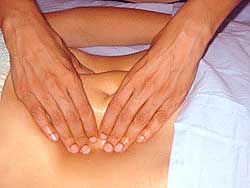
Ayurvedic massage has long been an important part of overall Ayurvedic treatment. The aim of Ayurvedic massage is to prevent build up of toxic substances and restore the balance of energies inside the body. In order to achieve this, the Ayurvedic massage uses a variety of substances like aromatic and medicated oils, powdered foods such as lentil, and various powdered herbs.

The use of these substances varies according to:

  • The needs of the patient (his/her constitution)
    The ailment ( the imbalance in the doshas)
  • The type of massage recommended

Requirements

  • A Massage should preferably be done in the early hours of the morning, when the stomach is empty. It can also be administered in the evening, 3-4 hours after lunch. However, it should never be done immediately after a meal
  • The massage room should be warm and cozy. Massage can be done either on the massage table, which is about the height of one's waist, or it can be on the floor.
  • The table should be properly covered with clean white cloth, so that the patient is comfortable during the massage. For other procedures like head massage and oil drip on the head, a special type of table should be used which facilitates recovery of the massage oil from the body of the patient.
  • The masseur should be healthy. He should not be suffering from any contagious skin disease and should cut all his nails properly so that during massage they will not harm the patient.
  • The oil to be used for massage should be cold during summer and warm during winter.


more info:

Ayurveda to the rescue of cancer patients

Pune : Ten ayurveda practitioners, nutritionists and field assistants in the city have undertaken an ambitious clinical research project for the benefit of cancer patients.
Using traditional medicinal herbs available locally, the project seeks to help cancer patients maintain their overall nutritional health status while minimising the toxicity levels and other side-effects caused by chemotherapy.
While about 10,000 cancer patients, some of whom are terminally ill, will be included from Pune and neighbouring Pimpri-Chinchwad areas in the efficacy programme, the second phase of the programme would cover similar cases under the Brihanmumbai Municipal Corporation.
The 10-year project, being carried out in three stages, has been supported by the Indian Cancer Society and the SNDT Women's University. The project comes close on the heels of the union government seriously contemplating to set up ayurveda centres in major cancer hospitals of the country, including the All India Institute of Medical Sciences (AIIMS) and Mumbaibased Tata Memorial hospital.
Satish Phirke, president of the Shri Saibaba cancer research and relief centre in Pune, said: "The basic idea is to evolve a suitable nutrition strategy for strengthening the resistance power and overall health status of the patients, so that they could better cope with the modern modes of treatment like chemotherapy."
According to him, details of 6,000 patients from the city have already been collected by the group. "We will start administering them a combination of 40 different herbs and 12 minerals from the first week of December."
While the project also aims at enhancing the body's resistance besides maintaining a haematic balance, Dr Neelambari Jankar said a group of oncologists have also been roped in for efficacy studies.
"We will carry out pathological tests every month after administering the herbal doses to study its efficacy," she said, adding that the treatment on those who do not show any signs of improvement,would be completely stopped after three months.
Phirke said the programme is also aimed at providing an alternative to 70 per cent of poor cancer patients who have no option but to die a slow death.
"Take for instance, the treatment for promylocytic leukaemia. While chemotherapy can cost anything between Rs 2.5 lakh and Rs 3 lakh, the ayurvedic treatment costs only Rs 30,000," he explained. He, however, added that while ayurveda may not be able to promise cure for every patient, it can definitely improve their quality of life.

More informations about Ayurveda:
http://www.dreddyclinic.com/ayurvedic/ayurvedic.htm

Tuesday, December 06, 2005

Three-day global ayurveda summit from Dec 9

Malayala Manorama - India

Kochi: A three-day global Ayurveda summit, said to be the largest meet on Ayurvedic system of medicine and therapeutics, will commence here from December 9. Nearly 1000 delegates, including 100 from six countries--UK, Russia, South Korea, Italy, Brazil and Sri Lanka, will be participating in the summit, being organised as part of the birth centenary celebrations of Ashatavaidyan E T Neelakandhan Mooss, founder of Vaidyaratnam Group of institutions.

The summit will be inaugurated by Kerala Governor, R L Bhatia. State Health Minister K K Ramachandran master, will deliver the keynote address at the function, which will be presided over by Assembly speaker, Therambil Ramakrishnan. Scientists and research scholars from India's leading universities and academic institutions will be participating in the conference, Dr E T Neelakanta Mooss, managing director of the group, told a press meet here.

The organisers have received confirmation from 30 Ayurveda colleges in the country, including Gujarat Ayurveda University, Rajasthan university, Banaras Hindu University and National Institute of Ayurveda, Jaipur, he said.

More informations here:
http://www.dreddyclinic.com/ayurvedic/ayurvedic.htm
http://www.dreddyclinic.com/education/education.htm

India patents Yoga, Ayurveda

Financial Express - Bombay,India
NEW DELHI, DECEMBER 5: India is publishing a bulky encyclopedia, running into 30 million pages, which would extensively cover its vast traditional knowledge as part of efforts to keep out intellectual property invaders from patenting its indigenous wealth.
Work on the book, which would be in electronic format, is progressing at a feverish pace and already one-third of it has been completed.

"Ten million pages have been digitised," Department of Industrial Policy and Promotion Secretary Ajay Dua informed a FICCI-WIPO organised seminar on strategically using patents for wealth creation in the life sciences industry.

The work, christened Traditional Knowledge Digital Library (TKDL), seeks to repel attempts by people abroad to patent traditional Indian knowledge, be it yoga or medicine systems like ayurveda.

"Even as this exercise (TKDL) is going on, 150 yoga asanas (postures) have been patented abroad...134 of these asanas were granted patent by the US Patent and Trademark office," dua said.

"Close to 1,500 (postures) have been given trademark (elsewhere)," he said, but added that this was not the mistake of patent offices abroad.

While traditional knoweldge has been in public domain in India in various vernacular languages, the same was not accessible by patent examiners abroad, he noted.

The book would help examiners cross-check on whether an application for patent is an original innovation or a copy of what already exists in other parts of the world, in this case India.

The National Institute for Science Communication and Information Resources (NISCAIR) is putting the document together based on ancient transcripts in Sanskrit and Persian.

NISCAIR sources said the book would save the government precious money, which could otherwise be lost in litigation costs trying to safeguard what rightfully belongs to the country.

Without naming the person, they said a prominent US-based yoga guru had patented 26 postures. The patent was granted due to the absence of reference material.

The E-document would be made available in all major international languages including French, German and Japanese so that patent examiners do not inadvertently grant patents.

"Our entire scheme of patenting has to look at knowledge ever since human beings started treading the earth," Dua said.


More informations here:
http://www.dreddyclinic.com/ayurvedic/ayurvedic.htm
http://www.dreddyclinic.com/education/education.htm

Herbal cigarettes to boost your health

COIMBATORE: Smoke your way to better health, but only with herbal cigarettes.

If practitioners of Ayurveda are to be believed, the periodic inhalation of herbal cigarettes enhances your memory power, your IQ and can prevent onset of respiratory tract-related diseases, specifically those connected with the nose, the sinuses and your eyesight.

"As we are all aware, smoking is highly injurious to health because of the presence of nicotine. But herbal cigarettes are absolutely nicotine free. They contain ingredients like basil, cloves, cinnamon, liquorice and herbs like turmeric that have anti-effective properties. These type of cigarettes also increases appetite and is good in reducing bronchitis and sinusitis," said Uma, an Ayurvedic doctor.

According to WHO estimates, over 500,000 people die annually due to tobacco consumption, and given the current trend, the number will rise to 10 million in 2030. Indians accounted for one-fifth of the four million people who die every year owing to tobacco-related diseases.

Those who have shifted to smoking herbal cigarettes say they are feeling much better now.

"I have been smoking for the past 10 years. To avoid using cigarettes, I consulted a doctor. He advised me to use herbal cigarettes. Now, for the past five months I am using herbal cigarettes only," claimed Ramachandra, a chain smoker.

"Now, I can find good results and am confident about quitting the habit," he added.
More informations here:
http://www.dreddyclinic.com/ayurvedic/ayurvedic.htm
http://www.dreddyclinic.com/education/education.htm

Naturopathy experts concerned over untrained professionals

Naturopathy experts in Tamil Nadu and Kerala, particularly in Coimbatore, are expressing concern over the mushrooming of a number of unprofessionally managed herbal massage centres.
Most of them have sprung up around tourist spots with tall claims of providing Ayurvedic treatment for all kinds of physical ailments.
"There are some crude methods of practice done in some picnic spots like Kutralam and Okanakkal. Actually when it is done without any physician's supervision or when it is done by an untrained messeur, it increases the invertebral disprolapse, pain or it also proves very harmful for cervical spondylitis patients," said Dr. Uma, an Ayurvedic specialist based in Coimbatore.
Haunted by the toxic side effects of modern drugs, people from across the world flock to India looking for succour from alternative medicinal therapies. Experts, however, caution that there are only a few selective people who understand Ayurveda and the impact of its treatment.

More informations here:
http://www.dreddyclinic.com/ayurvedic/ayurvedic.htm
http://www.dreddyclinic.com/education/education.htm

A BREATH OF INSULIN !

Will insulin injections soon be a thing of the past? Researchers say an inhaler device containing insulin in powder form is as effective as an insulin injection. That means people who need to take insulin before meals may soon be able to easily inhale it instead of giving themselves painful and inconvenient shots. When the insulin powder is put into the inhaler, it is transformed into a cloud of vapor. The diabetic person then inhales once or twice and the insulin travels into the lungs. From there it passes quickly into the bloodstream.

Inhaled insulin therapy is an option for type 1 diabetics and appears to be just as effective as insulin injections in controlling blood glucose levels, according to a report published in the February 3rd issue of The Lancet.

Dr. Jay S. Skyler, from the University of Miami, and colleagues assessed the efficacy of inhaled insulin therapy by randomizing 72 type 1 diabetic patients to receive preprandial inhaled insulin plus a bedtime ultralente injection or their usual insulin regimen of two to three injections per day.

The authors found no significant differences between the groups regarding changes in HbA1c, changes in fasting and postprandial glucose concentrations, and occurrence and severity of hypoglycemia. In addition, inhaled insulin appeared to be well tolerated and did not affect pulmonary function, the researchers note.

There is good news even for those with Type II diabetes who may require insulin. Inhaled insulin therapy is well tolerated in type 2 diabetic patients and achieves improved glycemic control with no adverse pulmonary effects, according to a report published in the February 6th issue of the Annals of Internal Medicine.

Dr. William T. Cefalu, from the University of Vermont College of Medicine in Burlington, and colleagues assessed the safety and efficacy of inhaled insulin therapy by evaluating the pulmonary function and glycemic control of 26 type 2 diabetic patients who received 3 months of preprandial inhaled insulin therapy plus bedtime ultralente injections. Patients performed home glucose monitoring and had weekly adjustments of their insulin dose to achieve a target preprandial glucose level of 100 to 160 mg%.

Glycemic control was significantly better after 3 months of therapy than at baseline, the authors state. There were no serious hypoglycemic events.

At the same time, one must add a word of caution. Dr. Edwin A. M. Gale, from the University of Bristol, in the UK, points out that inhaled insulin does not abolish the need for long-acting insulin injections and "it is also much too early to conclude that inhaled insulin is as good as conventional injections." Moreover, as Dr. David M. Nathan, from Massachusetts General Hospital in Boston, points out, "other studies of insulin therapy that have used only one or two daily injections, or have combined injections with oral hypoglycemic agents, have achieved substantially better hemoglobin A1c results and less frequent hypoglycemia than the study of Type II patients."

He, as well as others are concerned about the effect of high levels of insulin in the lungs. Insulin is a growth factor and may cause problems in the lungs. Would we be exchanging the benefits of not taking an insulin injection for some as yet unknown complication in diabetes? And using the inhaler, which contains short-acting insulin, doesn't completely eliminate the need for the shots. People with type 1 diabetes still need long-acting insulin, so they have to take an injection of it before going to bed.

Although Dr. Skyler agrees with many of these fears, he feels that having the inhaled insulin available as an option may make some people who dislike the idea of needles feel a little better about having to use insulin therapy. Anything which increases compliance needs to be explored. Of the people in the study who were offered the inhaler instead of their before-meal injections, 82% liked it so much they chose to continue using it after the study had ended.

Chicago Public Schools to Ban Soda, Candy

CHICAGO (Reuters) - The Chicago Public Schools will ban soft drinks, candy and fat-laden snacks from school vending machines, replacing them with healthier offerings, district officials said on Tuesday.

Chicago, the nation's third-largest public school district, joins other major school systems that have already expelled food or drinks seen contributing to a childhood obesity epidemic from their facilities.

"Students spend a large portion of their time at school, and we need to do more to promote healthy eating habits," said Arne Duncan, the school system's chief executive officer, in a statement. "This is an important step toward getting junk food out of our schools."

The Chicago district said it is seeking proposals to replace its exclusive and expiring beverage contract with Coca-Cola with offerings restricted to 100 percent fruit juices in elementary schools and at least 50 percent fruit juice in high schools. Other acceptable beverages will be water and noncarbonated sports drinks.

Representatives for Atlanta-based Coke could not immediately be reached for comment. Under the existing contract, the school system made about $4 million a year or 52 percent of the sales, while Coke got the remaining 48 percent, according to Mike Vaughn, a school district spokesman. On the snack front, products in school vending machines must have not more than 30 percent of their calories from fat and no more than 40 percent sugar by weight. Candy and chewing gum would be banned outright.

Vaughn said the new policy on snacks would taken up by the board of education in May with the aim of having the policy in place by next fall. The district's move comes as public awareness over the obesity crisis heightens. Food and drink makers have also tuned into the problem, in part to defend against litigation blaming their products for making people fat. And some nutritionists have cautioned against many of the juice alternatives to soft drinks, which can be deceptively high in sugars.

McDonald's Corp., last year the target of a well-publicized obesity lawsuit, late last week launched an anti-obesity push that includes the launch of a new healthier version of its kid-oriented Happy Meals for adults.

The largest U.S. school system in New York City has already ousted soft drinks, replacing them with juice and other products from Snapple, a unit of Cadbury Schweppes Plc. Schools in Los Angeles banned soft drinks as of January and will ban the sale of so-called junk food starting in July.

Weight Loss Plan Kit

Weight Loss Plan Kit

$172.80
[ learn more ]

Add to Cart

Includes: Oxy-Powder, Slimirex (180 Count), Weight Loss Secrets Revealed, Ten Super Secrets for Weight Loss


more information on oxy-powder:

http://www.dreddyclinic.com/products/ghchealth/supplements.htm#Oxy-Powder

Balm from the East

The effectiveness of the ancient Indian healing art of ayurveda is getting a closer look in the U.S.

By Jenny Hontz, Special to The Times

Jon Mejia experienced heart palpitations after a particularly stressful period running his Santa Monica consulting firm. His doctor diagnosed an abnormal heart rhythm and sent him to a specialist at a prestigious Los Angeles medical center.

An echocardiogram detected no cause for the extra heartbeats. Although his doctor told him that beta blocker drugs could control the symptoms, Mejia, 49, didn't want to take them because of concerns about side effects.

FOR THE RECORD
Ayurveda — An article in Monday's Health section incorrectly defined a BAMS as a bachelor's in alternative medicine. It is a bachelor's degree in ayurvedic medicine and surgery.

So Mejia turned instead to Martha Soffer and John Holmstrom, practitioners of the ancient Indian medical system ayurveda. After some dietary changes and three days of massage and purification treatments called panchakarma at Surya Spa, an ayurvedic center in Pacific Palisades, "the heart palpitations are almost gone," he says.

"I can't pretend to tell you I know how it works, but if I were to compare where I was when I walked in to where I am now, it's at least 80% relief," Mejia says. "I'm more myself."

Mejia is one of a growing number of Americans taking an interest in ayurveda, a 5,000-year-old holistic system of health that in Sanskrit means "knowledge of life." It uses combinations of herbs, purgatives, rubbing oils and other elements to treat diseases.

Maharishi Mahesh Yogi, a proponent of transcendental meditation, brought ayurveda to the United States three decades ago, and Dr. Deepak Chopra exposed it to the masses in his bestseller "Perfect Health" (Harmony Books, 1991). Now, the California Assn. of Ayurvedic Medicine, a professional group based in Foster City, Calif., is sponsoring its first Ayurveda Awareness Day on Feb. 13.

Chinese medicine, which is more established in the U.S., was influenced by ayurveda, and similarities include the extensive use of natural herbs. Research into ayurveda is in its infancy in this country, but as interest grows, so does funding. The National Institute of Health's National Center for Complementary and Alternative Medicine allocated $3.5 million in grants last year to study its safety and efficacy.

"It's 100 times more popular than it was 10 years ago," says Scott Gerson, a New York physician with a medical degree from the U.S. and a doctorate in ayurveda from India.

*

Yoga's sister science

Ayurveda treatments are becoming popular in spas, medical clinics and wellness centers. And like Mejia, many people are finding their way to ayurvedic medicine through the practice of yoga. Ayurveda is considered yoga's sister science, and workshops are frequently taught in yoga studios throughout Southern California.

"Yoga is the doorway," says Mas Vidal, owner of Dancing Shiva, a Los Angeles Veda yoga studio that added an ayurveda healing center last year. "Ayurveda is what all the great yogis practiced. Ayurveda was taught as a way of life."

Ayurveda holds that health and well-being of the body, mind and spirit is our natural state, experienced through proper diet, herbs, meditation, yoga, breathing exercises called pranayama and other daily routines. Ayurveda is used to prevent disease and boost the immune system so the body can heal itself from illness.

Ayurveda teaches that each person is made up of a combination of five elements: space, air, fire, water and earth, says Dr. Vasant Lad, a prominent Indian-trained physician who is chairman of the Ayurvedic Institute in Albuquerque. These elements combine to create three predominant doshas, or governing principles of the body: vata, pitta and kapha. Each person's constitution is one of these doshas, or a combination of them.

According to ayurvedic practice, vata people tend to be thin; they have cold hands and feet, dry skin and they are more likely to suffer from anxiety, insomnia, arthritis and constipation. Pitta types are "hot," with medium builds and oily skin; they have strong appetites, controlling natures, sharp intellects and quick reactions. They get inflammatory diseases, rashes and ulcers. Kapha types are frequently overweight. They move slowly, love salty and sweet foods, have thick hair and big eyes and are prone to colds, congestion and diabetes, Lad says.

Each of these groups has different dietary and lifestyle needs, which also vary by season. Disease in ayurveda is an imbalance in one's natural doshas, caused by improper diet and digestion, negative emotions and stress, which lead to a buildup of toxins in the body called ama.

Ayurvedic practitioners believe that this needs to be corrected through lifestyle changes, as well as panchakarma treatments, including a special diet, laxatives, herbal oil massages, sweat treatments, herbal enemas, nasal therapies and shirodhara, the pouring of oil onto the forehead for roughly 30 minutes. These treatments are typically performed in certain seasons and continue for three to 10 days.

In India, practices such as vomiting and bloodletting also are used for specific illnesses, but these are rarely done in the U.S. Some practitioners also incorporate sound, color and aromatherapy.

"All tools are at the disposal of ayurveda, but we recognize the tool is not the cure," says Marc Halpern, founder of the California College of Ayurveda in Grass Valley, Calif. "Western medicine controls the symptom. Ayurveda looks at the root causes in terms of lifestyle and consciousness."

Suppressed during British rule in India, ayurveda was preserved by practitioner families and is now taught in Indian medical schools, which require five years of training and clinical experience. The Indian government sponsors numerous scientific studies on ayurveda and its collection of medicinal herbs.

While ayurveda is often used in India by people too poor to receive Western medicine, panchakarma treatments in the U.S. cost $1,500 to $3,500 a week and are mainly the province of the wealthy, devoted or desperate. Holmstrom says he has treated some Hollywood celebrities, including Liv Tyler, Ben Affleck and Matt Damon. Chopra treats people at his Chopra Center at the La Costa Resort and Spa in Carlsbad.

*

Changing attitudes

But ayurveda also is attracting people with chronic health problems who have become frustrated with Western medical techniques that haven't helped them, and those with alcohol and drug problems who want to detox quickly. One Los Angeles lawyer with chronic pain and sleeplessness from damaged spinal disks used ayurveda to kick a growing reliance on sleeping pills and says panchakarma was not about getting pampered.

"By the fifth day, you are enema-ed out…. ," said the lawyer, who asked that her name not be used. "It's not a fun procedure. If you're interested in going to a spa and getting a facial, this is not for you."

Still, the treatments worked so well that she asked her doctor to write a prescription for panchakarma so insurance would cover it. She says his response was something like: "I'm not going to sully my name by prescribing something so weird."

Although ayurveda is still relatively new in Southern California, such attitudes are gradually changing as ayurveda is subjected to the rigors of Western science. It's difficult to conduct double-blind, placebo-controlled trials, the gold standard of scientific research, because ayurveda is a holistic system that treats individuals differently with multiple methods. Some studies have isolated specific components of ayurveda, which advocates of ayurveda say misses the point.

But last fall, the National Center for Complementary and Alternative Medicine awarded a two-year, $283,000 grant to establish an Ayurvedic Center of Collaborative Research to study ayurveda as it is practiced in India. Overseen by researcher Leanna Standish at Bastyr University in Kenmore, Wash., scientists from Johns Hopkins University and UCLA will work with doctors in India to conduct controlled clinical trials on ayurvedic treatments for rheumatoid arthritis. Eventually, they hope to study treatments for hepatitis C, osteoarthritis and diabetes.

"I do not believe there have been any well-done studies of the whole practice of ayurveda…. " overseen by independent U.S. researchers, Standish says. "It really does deserve very careful evaluation."

Although the numbers are still small, more Western doctors are getting trained. Dr. Vandana Soni, an anesthesiologist, realized after years of practicing Western medicine that it only "touches the surface of pain." She now combines Indian and Western medicine at her clinic, and some local medical doctors now refer patients to her for conditions such as irritable bowel syndrome, chronic fatigue and menopausal symptoms.

"If ayurveda were perfect, [Western] allopathic medicine would never have come along," she says. "If allopathic medicine were perfect, the world of alternative medicine wouldn't have come into place."

When you visit an ayurvedic clinic for the first time, prepare to spend a couple of hours. "Ayurveda is very time-intensive," says Dr. Nancy Lonsdorf, medical director at the Raj Ayurveda Health Center in Iowa. "I never see more than 12 patients a day. Most doctors see 50."

At her clinic, Soni asks patients to fill out a 15-page questionnaire detailing everything from the time they wake up to the characteristics of bowel movements. After a pulse-taking and tongue examination, she determines a patient's dosha and prescribes some herbs, spices and self-massage as part of a basic work-up.

Soni recommends patients retain their primary Western doctors, and she won't treat people taking Chinese herbs because of possible side effects.

*

Standards lacking

This is one of the problems with ayurveda in the U.S., where people often ingest a complex stew of drugs and Eastern herbs, whose interactions are poorly understood. Although acupuncturists and doctors of Oriental medicine must be certified and licensed in California and many other states, there are no standards for training or for practicing ayurveda. Because a system for licensing is probably still years away, "it's buyer beware," Holmstrom says.

Gerson advises people to look for a bachelor's degree in alternative medicine, a doctorate or a medical degree in ayurveda from India. He also founded the National Institute of Ayurvedic Medicine, which verifies practitioner credentials. Because the programs teaching ayurveda in the U.S. require just 300 to 500 hours of training, most practitioners here are unqualified to practice in India. Gerson says U.S. schools offer "a really poor level of training in ayurveda."

Although it's hard to imagine someone being harmed by oil massages, Gerson says ayurvedic treatments performed by the unqualified can have "serious consequences," including headaches, bowel dysfunction, irregular respiration, fatigue and psychological problems. Enemas are "invasive" and when performed improperly can cause colon spasms. "The biggest harm that can be done is the withholding of proper treatment," says Wynn Werner, the administrator of the Ayurvedic Institute.

Gerson cites the case of a well-known ayurvedic doctor who treated a woman in her mid-40s complaining of fatigue and muscle aches. "He took her pulse, looked in her eyes and diagnosed a vata imbalance," Gerson said. Prescribing some herbs, dietary changes and yoga, he sent the woman away. A few months later, the family informed him she was diagnosed with leukemia. "Because the ayurvedic doctor did not integrate a blood test," he says, "this was missed." But as long as people are prudent, most ayurvedic lifestyle changes have stress-reducing benefits and little chance of harming one's health, Halpern says.

*

(BEGIN TEXT OF INFOBOX)

What's your dosha type?

Ayurveda sets forth three types of physical, mental and emotional characteristics that are said to be present in everyone. Below are some of the common characteristics of each type. Though all people are said to have qualities of each dosha type, one is usually predominant, according to ayurvedic practice.

Vata

Cold bodies.

Quick minds, creative.

Dry, wrinkled skin.

Walk and talk fast.

Poor planners.

Nervous, anxious.

Susceptible to diseases such as emphysema, pneumonia, arthritis.

Pitta

Warm bodies.

Sharp intellect.

Strong appetite.

Oily skin.

React quickly, easily agitated.

Susceptible to fever, inflammatory diseases.

Kapha

Strong, good stamina.

Sweet, loving disposition.

Calm, tolerant, forgiving.

Dislike exercise.

Susceptible to flu, sinus congestion.

Oily, smooth skin.

To determine your dosha type, go to the National Institute of Ayurvedic Medicine, http://www.niam.com .

Source: The Ayurvedic Institute, Albuquerque
More informations here:
http://www.dreddyclinic.com/ayurvedic/ayurvedic.htm
http://www.dreddyclinic.com/education/education.htm

Ayurveda gaining acceptance abroad

"The countries which have shown interest in ayurveda curriculum and research included Russia, US, Japan, Australia, Netherlands, South Africa, Argentina, UK, France, Italy etc, Ms Malti S. Sinha, Secretary, Department of Indian Systems of Medicine and Homeopathy said.


According to Ms Sinha, medical schools in the US wanted to introduce an ayurvedic module and various teaching institutions in India such as Banaras Hindu University and Gujarat Ayurved University had entered into MoU's for collaboration in the field of education and research with institutions in Japan, Australia, Italy and Argentina.....


According to Ms Sinha, medical schools in the US wanted to introduce an ayurvedic module and various teaching institutions in India such as Banaras Hindu University and Gujarat Ayurved University had entered into MoU's for collaboration in the field of education and research with institutions in Japan, Australia, Italy and Argentina. " -- The Hindu:Businessline

WHO To Standardize Traditional/ Ayurvedic Medicines

Indian Ayurvedic pharmaceuticals will be set on an upward spike on the international sales graph when World Health Organisation's plan to establish the format for standardisation of traditional medicine in health care systems takes shape.

When that happens, the Ayurvedic medicines will also brought under the format of standardisation and validation, which will help Ayurvedic companies sell the medicines in developed markets.

Currently, only Ayurvedic products in food supplements and cosmetics segments are sold in developed markets, while Ayurvedic medicines are yet to enter these highly lucrative markets. Even after getting the validation and standardisation, a prior approval from the US FDA (Food and Drugs Administration) is mandatory for entering these markets.

Already, traditional Chinese medicines have a foothold in the US markets and it is estimated that last year alone Chinese traditional medicines worth over $ 3 billion were sold in the US.

The objective of WHO Strategy for Traditional Medicine for 2002 to 2005 is to discuss the role of traditional medicine in health care systems, current challenges and opportunities and WHO’s role and strategy for traditional medicine.

Though Ayurvedic medicines are widely used in India, there is no valid third party validation here on the properties of these medicines. The WHO format of standardisation will prepare the platform for the initiative.


More informations here:
http://www.dreddyclinic.com/ayurvedic/ayurvedic.htm
http://www.dreddyclinic.com/education/education.htm

Eco-friendly nature of Ayurveda highlighted

LUCKNOW: A homogeneous mixture of reetha, sahjan, jatamansi and arjuna is all that you need to fight cardiovascular diseases, according to Ayurveda. The national seminar on ‘Eco-friendly Herbs of Ayurveda in Healthcare of Mankind: A strategy for Scientific Evaluation and Uniform Standardisation’, on Monday, dwelt on the various breakthroughs enabling ecologically safer, herbal treatment through Ayurveda.

Concerned at the increase in heart attacks and hypertension over the last 10 years, the director of International Society for Herbs Medicine (ISHM), Dr N Singh said that unlike modern medicine, the eco-friendly herbal treatment had no side-effects. Explaining the role of each component of the mixture which could easily fight heart problems, Singh said, "The saponens present in reetha help in reducing cholesterol and dilate the arteries reducing the chances of blockage and in turn, heart attacks". Another element arjuna is known to normalise the heartbeat and hence relieves patients suffering from hypertension. Similarly, jatamansi, which is quite rare, and is procured from glaciers, regulates the nerves of the heart.

Dwelling on the significance of alternative medication, Singh said that unlike other lines of treatment, Ayurveda possesses a potent cure for all mind/body diseases. "The best example is tulsi, which has been declared the mother-medicine of nature and the strongest antistress agent," he said. Another well-known breakthrough of Ayurveda is montha, which is a treatment for arthritis.

"Bio-helpers form another category of herbal drugs that are proving to be a boon for us," said Dr SPS Khanduja, director of the Central Institute of Medicinal and Aromatic Plants (CIMAP), adding that anti-tubercular drugs which damage the liver could be administered with pipli. Pipli, a magical herb acts as a biohelper, cutting down the harmful effects of the drug while restoring it’s curative character. Inaugurating the two-day seminar, director, Sanjay Gandhi Post Graduate Institute (SGPGI), Kartar Singh expressed concern at the condition of Ayurveda in India.

More informations here:
http://www.dreddyclinic.com/ayurvedic/ayurvedic.htm
http://www.dreddyclinic.com/education/education.htm

Heart and health

EXERCISE and change in dietary habits can keep heart diseases at bay. This was stressed by well known cardiologist Dr Jagdish Hiremath who was participating in a discussion arranged by the Creative foundation at the Lokmanya Sabagriha at Kesariwada on November 30. With heart surgeries being expensive for the common man, the only solution was to lead a healthy life, stressed cardiologist Dr Manoj Naik. Ayurveda practitioner Dr Anthony Joseph talked about treatment of heart diseases through ayurveda.

Are Your Personal and Skin Care Products Safe?

ABC announced a study that was recently conducted on 72 name brand products. Of these 72 products, 52 contained at least one kind of phthalate. What is even more perplexing is that only 1 of the products tested lists it as an ingredient on the label - another cosmetic conspiracy! Did you know that studies conducted on animals show that phthalates can damage the liver, kidneys, lungs, and reproductive system?
According to Ayurveda, you should put on your skin only products that are completely natural and chemically free. 100x washed ghruta Cream is made from an organic ghee that is used for gourmet cooking. This ghruta is washed 100 times in a copper bowl while reciting mantras. This process completely transforms the ghruta into cooling, nourishing, silky cream.
100x washed ghruta Cream is very well absorbed by the skin and leaves the skin feeling refreshed, rejuvenated, and glowing.
It is an excellent Astringent, Moisturiser, Anti-wrinkle & Cleansing cream. Can be used as a daily moisturizer on the face (or whole body) or for facial massage. Also, has calming effect on reddish or burned skin, and on eczema and rosacea.

An Indian medicine for hepatitis B

Shobha Warrier in Chennai | May 09, 2003 19:54 IST


Nearly 20 per cent of the people in Southeast Asia are carriers of hepatitis B, one of the deadliest diseases of modern times.

In India, 4-4.75 per cent carry the virus. Only less than 2 per cent of Americans are carriers, but the incidence rate is much higher among Asians living in the US.

"Many studies have shown that in Asian and African populations, hepatitis virus has much more chances to cause chronic carrier problems rather than in the White population. It could be the genetic susceptibility of the population that is causing the problem," says Dr S P Thyagarajan, head of the Department of Microbiology at the Madras University's Dr A L Mudaliar Institute of Post-graduate Medical Sciences.

Another alarming fact about the hepatitis B virus is that it is more infectious than HIV, scoring 33 per cent on an 'infectivity' rate scale against HIV's 0.3.

With nearly 42 million carrying the hepatitis B virus, India is bracketed in the 'intermediate zone' [between 2-7 per cent of the population].

Of the five hepatitis viruses -- A, B, C, D and E -- the first and the last are waterborne and, therefore, spread less easily.

Hepatitis B, C, and D are very dangerous and, like HIV, can be passed on through blood transfusion, needles, body fluids and sexual intercourse.

These three viruses not only produce acute jaundice, but slowly lead to diseases like liver sclerosis and liver cancer.

Treatment of hepatitis B carriers is expensive. An injection of Interferon costs Rs 6,000 and the patients have to take these every week for at least a year. Another option is Lamuvidine tablet and a single one costs Rs 30. The treatment may go beyond five years. The efficacy is between 30-40 per cent and the treatment is reported to have many side effects.

It is against this background that the scientific discovery of Dr Thyagarajan becomes important. The ayurvedic physicians of Kerala have been using an extract from a plant locally termed Keezharnelli for centuries to treat jaundice. But like all traditional Indian medicines, it has never been scientifically tested. It was the medicinal qualities [empirically found effective, but still anecdotal in terms of Western science] of Keezharnelli and the alarming spread of hepatitis B that attracted the attention of Dr Thyagarajan and he began doing his PhD on the plant in 1979.

When rediff.com met Dr Thyagarajan in 1999, he had successfully extracted the active substances of the plant and had applied for a patent for Keezharnelli, or phyllanthus amarus in the name of the University of Madras.

He was also developing the drug clinically. It was through years of hard work and a series of clinical and scientific tests that he proved that the extracts could cure hepatitis B.

Three therapeutically active substances of phyllanthus amarus show activity against the hepatitis virus, improve the body's immune system and protect the liver.

Dr Thyagarajan extracts all these three substances separately and converts them into tablets.

"This is a major breakthrough because this is one plant that has been scientifically evaluated in our country and is accepted the world over. In India, there is a wealth of information available in the traditional ayurveda and siddha branches of medicine. But the problem is we have not bothered to study them scientifically," Dr Thyagarajan says.

It was not an easy journey for Dr Thyagarajan. He got acceptance and support only after international scientists, particularly Dr Baruch Blumberg, who won the Nobel Prize for discovering the hepatitis B virus, accepted his findings. Dr Blumberg, along with Irving Millman, also invented the hepatitis B vaccine.

Dr Thyagarajan did a lot of collaborative work with Dr Blumberg in testing the extracts in animals for acute and chronic toxicological studies.

That was long ago.

The ayurvedic formulation from Keezharnelli was awarded a patent in the US [June 2002], South Africa [September 2002] and North Korea [October 2002]. The process to acquire a patent for the formulation is on in ten other countries, including the UK and Japan.

"Usually there is a criticism in the Western countries that there is lack of standardisation in the case of traditional medicine in general and in the case of herbal drugs in particular. That is mainly because a lot of herbs are included in a medicine, and the herbs are collected from different parts, and you cannot generally guarantee uniformity. They may not have the same efficacy during all times of the year. In fact, this is already indexed in ayurvedic literature. We have addressed that part of the criticism. So there will not be any batch-to-batch variation in our plant-based drug. That is the basis of our patent," Dr Thyagarajan explains.

Once the tablet was tested, Rallys India Pharmaceuticals [which has merged with Sreya Life Sciences, Mumbai] expressed a desire to sign a memorandum of understanding with the University of Madras.

The formulation in the tablet form was named Virohep [the compound is called Hepavirin] and launched on December 23, 2000. The tablet is now available in India and many other countries.

If the treatment under allopathic regimen is expensive and long, it is necessary to treat patients suffering from jaundice for only two weeks with Virohep, says Dr Thyagarajan. In the case of carriers of hepatitis B, the treatment continues for 3-6 months. One tablet costs only Rs 6.

Dr Raghuram of the Vijaya Hospital, Chennai, has been treating his patients with the drug.

"I was also a collaborator in the research. So you can say we have been using it for the last 20 years. The only difference is that it has been experimentally proven now. Virohep is the same as Keezharnelli. The most important aspect about Virohep is that it does no harm to the individual, while the allopathic medicine has a lot of harmful effects, and it can be used in chronic cases. Also, the allopathic medicines are very costly. We have found that in 40 per cent of individuals who are carriers of hepatitis B virus, the virus has been eradicated from the system. I am quite satisfied with Virohep," says Dr Raghuram.

Dr Eric Walker, who is now the Consultant Physician of Scottish Centre for Infections, Glasgow, UK, first noted the use of phyllanthus amarus as a herbal remedy for jaundice when he was working in primary care at the Christian Medical College, Vellore in the 1970s. Then he met Dr Thyagarajan, 'and became very much interested in his scientific work'.

Later, in the 1980s, as a part of a multi-centre trial with Dr Thyagarajan, he started prescribing the medicine to his patients.

"I am convinced of its properties in protecting the liver from infection and encouraging the body to eliminate the virus from liver cells," says Dr Walker.

He adds, "Our trials in Scotland have been small but confirm the work done in Chennai that around 60 per cent of hepatitis B carriers will eliminate E-Antigen to their obvious benefit in preventing eventual complications and removing infectivity. We have encouraging preliminary evidence that it may also give some benefit to hepatitis C carriers."

Prakashchand Jain came to know that he was a carrier of the hepatitis B virus when he went to donate blood. His physician, Dr Shanmugha Sundaram, immediately directed him to Dr Jayanthi, the gastroenterologist who in turn asked him to meet to Dr Thyagarajan. During that period, Dr Thyagarajan was in the process of developing the extract of Keezharnelli.

"At the University of Madras lab, I was tested positive. He had not made any tablet then. I was given a powder. After taking the medicine for quite sometime, I was tested negative. If I am well today, I have to thank only that professor," he says.

Paandi, another patient who was treated with the powdered extract of Keezharnelli was also cured.

They now plan to market the drug in the US and Asian and African countries. A multi-centric trial is essential for international regulations like the FDA clearance.

CHYAWANPRASH

India’s first Child Specialist’ chyawanprash, Sivananda Bal Chyawanprabha has been launched. This special formulation has been designed to address the needs of growing children, keeping in mind the increasing pressures of today's lifestyles. Bal Chyawanprabha has a sweeter and child friendly taste that makes it more palatable than the other standard formulations of Chyawanprash


Bal Chyawanprabha not only provides immunity and addresses the physical needs of the body, but also helps in the child’s mental development. Herbs like Brahmibooti & Shankpushpi that are not present in the standard formulations, help in improving the concentration and mental development of children in their growing years. Apart from this, the formulations contain child specific herbs in optimal quantity, each of which address specific nutritional needs of children in their growing years.

Sivananda Chyawanprash range:
Sivananda has also launched two other variants to cater to the adults and older people in the family. While Amrit Chyawanprabha addresses the needs of older people, Sivananda Chyawanprash is the original formulation as per Ayurved Saar Sangrah, and is best suited for the adults in the family.

More informations here:
http://www.dreddyclinic.com/ayurvedic/ayurvedic.htm
http://www.dreddyclinic.com/education/education.htm

Master’s course in herbs

With the West putting a credibility crimp on herbal medicines, the interest in herbs and herbal medicines in the country has been on the up for the past few years. From personal care products to medicines for critical diseases, herbs are being used today as never before.

Recognising the trend and taking note of a growing interest in herbs, the Agri-Horticultural Society of India (AHSI) has joined hands with Jadavpur University (JU) to offer a one-year post-graduate diploma course in herbalogy, billed as the first in this part of the country. A memorandum of understanding has been inked between the 184-year-old society and the university.

More informations here:
http://www.dreddyclinic.com/ayurvedic/ayurvedic.htm
http://www.dreddyclinic.com/education/education.htm

The kitchen clinic

Cold weather and pollution are a deadly combination for young asthmatics. Since Ayurveda classifies asthma as an acutely kaphic disorder brought on by excessive mucous and phlegm, the best prescription is honey.

Packed with subtle alcohols and ethereal oils, honey drains mucous from the respiratory passages and eliminates it from the lungs.

In fact, the ancient vaids actually believed that when an asthmatic child so much as inhales the air above a pot of honey, his breathing becomes easier. Hot garlic milk with a dash of turmeric, and ajwain tea are also traditional remedies for asthma. Avoid mucous forming foods like rice, wheat, yogurt, bananas, nuts and all dairy products, especially ice-cream and cheese.
[from News Mid-day]

Result delay embitters future ayurveda doctors

Express News Service

Chandigarh, October 25: It has been more than four months since final year students of Bachelor of Ayurveda Medicine and Surgery (BAMS) of the Shri Dhanwantry Ayurvedic College, Sector 46, took their exams. At present, they are undergoing their internship in various hospitals.

However, thanks to the Panjab University Examination Branch, they still do not know their result, and in effect, if they have passed or not.


All the exams were conducted on the scheduled time, except the paper on Surgery, which was delayed and had to be conducted on September 1 this year. But much to the students’ chagrin, the university has been unable to declare the results of the entire batch, till date. Students said despite repeated attempts to ask the officials to speed up the process, unfortunately nothing had been done.

‘‘When we appeared for the Surgery exam in September, the university had assured us that the result will be declared within seven days. But, it has been more than one-and-a-half months, and the results are still not out,’’ lamented a college student, now undergoing his internship with a hospital.

As per the BAMS course curriculum, students are required to undergo an internship in a hospital after completing the four-year theory course in the college.

Students fear that in case somebody does not pass, the efforts put by the student during the practical training would go waste and the student will have to appear for the supplementary exam to clear the course.

‘‘We do not even know if we have cleared our final year exam or not. We are still undergoing the internship, hoping that we have cleared them. The late declaration of results is going to adversely effect those students who would be required to sit for the supplementary exams,’’ added another student.

The Controller of Examination (CoE) Dr Sodhi Ram was not available for comment.

More informations here:
http://www.dreddyclinic.com/ayurvedic/ayurvedic.htm
http://www.dreddyclinic.com/education/education.htm

Ayurveda health hubs in the red

Ayurveda health hubs in the red
- district hospitals yet to materialise; medical centres lack staff, medicines
ARTI SAHULIYAR

Ranchi, Oct. 27: A year and a half after a proposal was mooted, the state government is yet to establish ayurvedic health centres in rural areas.

The existing medical centres (ayurvedic, allopathic and unani) are also reeling under problems, such as a shortage of staff, medicines and vehicles to take the doctors around.

According to the health centre proposal, which is now lying in the files of the health department, the government had mooted an idea to open 10 ayurvedic hubs in 22 districts of the state where additional primary health centres exist but without any paramedical staff.

The main idea behind these health centres is providing treatment to those patients who did not have faith in allopathic treatment.

Referring to the lack of staff in health centres, district indigenous medical officer (DIMO) K.L. Sharma said a proposal was made to recruit doctors on a contractual basis for the proposed ayurvedic, homeopathic and unani health centres, but still nothing had been done so far.

“The posts — a unani medical officer in Narkopi, an ayurvedic medical officer in Sonahatu and a homeopathic doctor post in Getalsud — are lying vacant,” Sharma pointed out.

Ayurvedic medication is the most effective method of treatment, said Sharma, because there are lots of herbs available in the villages. “When doctors on duty prescribe a particular ayurvedic medicine, villagers can use the raw herbs found in the rural areas for treatment. It does not have any side-effects and patients can avail them without paying exorbitant amounts,” the medical officer said and added, “If the government opens ayurvedic centres in the districts, then it would mainly benefit poorer patients.”

There are 15-ayurvedic dispensaries , three unani dispensaries and two homeopathic dispensaries in Ranchi district, but none of them are functioning properly.

None of the dispensaries have a proper building and are being run in small rooms under an asbestos roofing. Because of the absence of vehicles, doctors on duty are unable to make rounds and door-to-door visits. The doctors have to sit under the sweltering heat under the asbestos roofs during summer and most of the dispensaries have no fans either.

Moreover, there is an irregular supply of ayurvedic medicines. At present, the state government is providing medicine worth Rs 15,000 but medicine worth Rs one lakh is required in these dispensaries.

“It’s really difficult to sit in such a condition where there are no proper arrangements and no supply of regular medicines as well,” a doctor said. The state government has not allotted any residential quarters to the doctors of the ayurvedic dispensary.

President of Jharkhand Ayurvedic and Unani Medical Officers’ Association Sudama Prasad said: “Ayurveda is of immense help for poor patients because it is cheap and affordable, when compared to allopathy,” Prasad added.

Meanwhile, Ayurvedic Pharmacy Colleges, which were proposed in Sahebganj and Gumla, are also yet to take off. And no students have enrolled in the ayurvedic medical college opened in Chaibasa two years ago. The college has a principal and six professors but are waiting for students. No admissions have happened so far.

More informations here:
http://www.dreddyclinic.com/ayurvedic/ayurvedic.htm
http://www.dreddyclinic.com/education/education.htm

NON-COMPLYING AYURVEDA/SIDDHA/UNANI DRUG PRODUCERS TO LOSE LICENSE

The manufacturers of Ayurveda/Siddha and Unani drugs now stand to lose their license if they fail to comply with good manufacturing practices notified under the Drugs and Cosmetics Rules 1945. The Department of AYUSH, Ministry of Health, while issuing the notification, directed all the State Drug Licensing Authorities of Ayurveda/Siddha and Unani, to take action against the non-complying manufacturers of these drugs, by revoking their licenses.

The State Licensing Authorities have also been asked to ensure full compliance by all manufacturers of these drugs to strictly follow Rule 161 (1) and (2) relating to display on the label of the container or package of Ayurveda/Siddha and Unani, the true list of all the ingredients (both official and botanical names) used in the manufacture of the preparation together with the quantity of each of the ingredients used. In case, the list of ingredients used is long and cannot be mentioned on the label, the same will have to be indicated in a leaflet to be inserted in the package.

Also the container of a medicine shall clearly display the warning i.e. “caution: to be taken under medical supervision”, if the list of ingredients contains any substance specified in schedule E(1) of the Drug and Cosmetics Rule 1945. If non-compliance is found, the State Authorities dealing with the licensing of these drugs will immediately cancel or suspend the license of the defaulting manufacturer, under Provision 159 of the Drugs and Cosmetics Rule 1945.

The Department has made it clear that adherence to good manufacturing practices is essential.

VKS/SR

Central directive may cripple ayurveda industry

T Ramavarman

Ayurveda needs different protocols


THRISSUR: The latest notification of the Department of Ayurveda, Yoga and Naturopathy, Unani, Sidha and Homeopathy (AYUSH) of the Centre insisting that the herbal medicines to be exported should be free of heavy metals, will cripple the ayurvedic industry in the country, fear the leaders of the Ayurvedic Medicine Manufacturers' Organisation of India (AMMOI).

As per the AYUSH notification, the herbal medicines manufactured in the country will have to be tested for the presence of heavy metals such as arsenic, lead, mercury and cadmium, and it will have to be ensured that they contain these metals only below the permissible levels, before they are exported.

The AMMOI leaders feel that the notification appeared to be a knee-jerk reaction to a report in the Journal of American Medical Association (JAMA) which claimed that tests conducted in the U.S. in some of the ayurvedic formulations exported from India indicated the presence of high levels of heavy metals in them. Coming as it does at a time when the interest in the Indian traditional medical system is on the ascend globally, the report and the subsequent campaign against ayurveda both in India and abroad could even be part of a design to dampen the prospects of this one of the oldest health care systems in the world, the AMMOI leaders apprehend.

General secretary of the AMMOI D. Ramanathan told The Hindu here that instead of taking such a step detrimental to the promising ayurvedic industry, the Government of India and AYUSH should have tried to convince the West as to how the Indian herbal medicines are safe and effective.

Medical purification


Dr. Ramanathan explained that no heavy metals are directly used in ayurvedic medicines. They are used only after the intense medical purification process called `Sodhana.' Medical purification is different from chemical purification - the former has multiple aims like eliminating harmful matter from the drug, modification of undesirable physical properties of the drug and conversion of some of the characteristics of the drugs, whereas the latter aims at only eliminating foreign matters.

The `Bhasma-based' ayurvedic formulations may have traces of heavy metals if they are subjected to conventional chemical tests. But we will have to evolve new protocols for testing the ayurvedic medicines in which the chemicals are used in compounds and not in isolation, Dr. Ramanathan said. Similarly new protocols for establishing the efficacy of ayurvedic medicines should be evolved instead of the Randomised Clinical Trials (RCT) used for modern medicine. Even the World Health Organisation (WHO) has accepted that traditional medicines which have a long lineage need not undergo RCT. They can be sold as medicines in the global market provided they have a stamp of approval from a recognised office in their country, said treasurer of the AMMOI E. T. Neelakandan Moos. The AMMOI leaders demanded that the Governments at the Centre and States should make more budgetary provisions for research in ayurveda so that they can be presented in a format acceptable to the global community.

At present, out of the total Rs.11,000- crore budget of the Union Ministry of Health and Family Welfare the traditional medicine sector gets only Rs 406 crores (around four per cent). Ayurveda can engage with the global market little more confidently if that allocation is enhanced at least to ten per cent, they said.

The export earnings of the Indian ayurvedic medicines are only about

Rs.3,000 crores annually whereas the figure for the Chinese traditional medicines is around one lakh cores of rupees. India certainly has better scope in this sector, provided it makd a systematic effort, they said.

Skin care, the Ayurveda way

Malaysia Star, Malaysia

THE skin is essentially the largest organ in the body and performs many vital roles as both a barrier and a regulating influence between the outside world and the controlled environment within the body. The physical toughness of the skin prevents the easy entry of harmful chemicals and invading organisms such as bacteria and viruses into the body. It also provides resistance to shocks for the more sensitive tissues underneath.

Skin type differs between individuals; sensitive skin is skin that stings easily, especially during or just after cleansing. Sensitive skin is more likely to be dry and is hyper-reactive – it is prone to develop dermatitis (itchy bumpy skin). Oily skin attracts dirt and bacteria and may lead to acne and pimples. Normal skin also needs regular regime for health.

An unhygienic, poorly protected and undernourished skin is susceptible to various disease conditions such as acne, dermatitis, psoriasis, pruritis (itchy skin) and others.

Problems of the skin involve both intrinsic and extrinsic factors. The presence of inflammation-causing substances and toxins in the blood and the damage brought by external factors such as pollution and free radicals work together to cause various skin conditions.

Hence, good skincare calls for a mix of internal and external cleansing. Internal cleansing refers to removal of toxins in the blood and other inflammatory mediators that can give rise to various skin problems.

Regular external skin regimens include the use of the right cleansers, toners, lotions and moisturizers for a healthy and clean skin.

A number of herbs are used in Ayurveda for skin cleansing, toning, moisturising and protection purposes.

External skin care with Ayurveda

Water alone as a cleanser is not quite enough: removing dirt and grease that sticks to the skin forms a major aspect of cleansing. Use of soaps in skincare will dry the skin and lead to itchiness. Lemon (Citrus limon) and honey (Meldespumatum) are alternatives to soap as lemon removes grime and oil while honey has antibacterial, antiseptic properties and prevents scar formation. Honey is increasingly being used to treat infected wounds and has been found to be effective in common wound infections1.

Toning follows cleansing and helps open clogged pores, thus reducing pore size and restoring the skin’s pH. The juice of lemon has been used for ages as a cleansing agent. It acts as a good skin-toning agent. Its powerful antibacterial and antioxidant properties help keep skin healthy and clean.

Jasmine (Jasminum sambac) provides a cooling effect through its good smelling volatile oils and has healing properties, especially for oily or sensitive skin.

Soothing agents and nourishers applied to the skin regularly maintain health and integrity of the skin. A natural soothing and moisturising agent is cucumber (Cucumis sativus). It helps keep the facial skin soft, heals and soothes damaged skin and works like a natural sunscreen.

Aloe (Aloe vera), a common herb in skin preparations, is also an excellent soothing agent. It possesses nutrients and enzymes responsible for moisturising the skin. It also softens and protects the skin. The anti-inflammatory and wound healing properties of aloe are well known.

Sunflower (Heydichium spicatum) has soothing properties and is regularly used as a massaging agent. In one study conducted by Darmstedt et al., the topical application of emollients to enhance skin barrier function would prevent nosocomial infections in newborn infants was assessed. Oil from the seeds of sunflower was found to be a low cost, easily available and effective treatment option3.

Sandal tree (Santalum album) is useful for alleviating itchy and inflammatory conditions of the skin. It is commonly used as a household remedy by applying a paste of sandalwood on skin rashes and itchy skin.

Alpha hydroxy acids or AHAs that are seen in most nourishing creams and lotions are natural fruit acids that rejuvenate the skin by encouraging the shedding of old, sun-damaged surface skin cells. Glycolic acid is the alpha hydroxy acid most frequently used for facial treatments, but lactic and citric acid is also useful. Apple is a rich natural source of AHAs and also contains ß-glycol and octane-1, 3-diol, which is an antifungal constituent. It reduces skin inflammation and helps remove dead skin fragments.

To stay young is everyone’s desire. However, one has to fight wrinkles, freckles and fine lines to defy age. Apart from AHAs, which increase the collagen content of the skin and provide stiffness, proper moisturising and use of antioxidants prevent ageing of the skin.

Various studies have shown that antioxidants like vitamins C, A and E slow down the ageing process by their neutralising actions on free radicals. For the skin, supplemental use of antioxidants may not be enough, and may require direct nourishment through local application on the skin.

Draksha, also known as grape (Vitis vinifera), is a good source of bioflavonoids, which are powerful antioxidants. Grapes are also considered as coolants and astringents. Various studies have documented the powerful antioxidant ability of grape skin extract4.

Godhuma or wheat germ (Triticum sativum) provides a natural source of vitamin E, while Amalaki (Emblica officinalis) provides natural vitamin C and also possesses cooling and cleansing properties on skin.

Rose (Rosa centifolia) is used for a fair complexion and orange is traditionally recommended for removing blemishes on the skin.

Since herbs have a host of healing properties, using herbs and herbal products that are well-researched and tested for mildness, efficacy, biodegradability, low toxicity, cleansing ability, emulsification, moisturisation, skin appearance and feel, smell (fragrance) and lubrication is a wiser choice.

Consistent skin care is important in maintaining younger-looking skin. Modifying your daily routine, such as eating a healthy diet that is rich in antioxidants, drinking adequate amounts of water to keep the body and skin well hydrated, upholding disciplined cleansing habits, and regular exercising can help to add flawless skin to the list of your best qualities.

References:

1. French VM, Cooper RA, Molan PC. The antibacterial activity of honey against coagulase-negative staphylococci. J Antimicrob Chemother. 2005 Jul;56(1):228-31.

2. Ito C, Itoigawa M, Ju-ichi M, Sakamoto N, Tokuda H, Nishino H, Furukawa H. Antitumor-promoting activity of coumarins from citrus plants. Planta Med. 2005 Jan;71(1):84-7.

3. Darmstadt GL, Saha SK, Ahmed AS, Chowdhury MA, Law PA, Ahmed S, Alam MA, Black RE, Santosham M.Effect of topical treatment with skin barrier-enhancing emollients on nosocomial infections in preterm infants in Bangladesh: a randomised controlled trial. Lancet. 2005 Mar 19-25;365(9464):1039-45.

4. Soares De Moura R, Costa Viana FS, Souza MA, Kovary K, Guedes DC, Oliveira EP, Rubenich LM, Carvalho LC, Oliveira RM, Tano T, Gusmao Correia ML.Antihypertensive, vasodilator and antioxidant effects of a vinifera grape skin extract. J Pharm Pharmacol. 2002 Nov;54(11):1515-20.

This article is courtesy of Himalaya Herbal Healthcare. For more information, e-mail starhealth@thestar.com.my. The information provided is for educational purposes only and should not be considered as medical advice. The Star does not give any warranty on accuracy, completeness, functionality, usefulness or other assurances as to the content appearing in this column. The Star disclaims all responsibility for any losses, damage to property or personal injury suffered directly or indirectly from reliance on such information.

More informations here:
http://www.dreddyclinic.com/ayurvedic/ayurvedic.htm
http://www.dreddyclinic.com/education/education.htm

Kamarani