(HealthDay News) -- A U.S. Food and Drug Administration advisory panel recommended Wednesday that use of the painkiller Celebrex be expanded to treat children with juvenile rheumatoid arthritis.
The panel, a committee of doctors and other specialists, voted 15-1 that the benefits of the drug for children with juvenile rheumatoid arthritis (JRA) outweigh the shortage of proof on its safety.
However, the panel also voted 8-7, with one abstention, that available data doesn't demonstrate that Celebrex is safe in treating JRA and that a registry should be established to track these young patients for 10 to 20 years.
"The feeling was short-term efficacy looked good and short-term safety was not an issue. Long-term safety is totally unknown and needs to be known," Dr. Joan Bathon, a Johns Hopkins University rheumatologist and panel member, told the Associated Press.
"That's not unreasonable. But the important part, when they considered both safety and benefit, is the benefits outweighed the risks," Dr. Steven Romano, a vice president in Pfizer's worldwide medical division, told the AP.
"This decision means that one additional therapeutic choice is available for patients and doctors," Dr. Jeffrey Greenberg, director of the Arthritis Translational Research Registry at New York University Hospital for Joint Diseases, told HealthDay.
"Any unknown, long-term cardiovascular risk associated with the use of Celebrex will need to be factored into the decision," he added.
The FDA is not required to follow the recommendations of its advisory committees, but it usually does.
It's estimated that as many as 60,000 children in the United States have JRA, which causes painful joint swelling and can affect growth and development.
Currently, Celebrex is approved to treat adults with osteoarthritis and rheumatoid arthritis. In its application to expand that approval to include treatment of JRA, drug maker Pfizer Inc. included a six-month study that concluded that Celebrex (celecoxib) works as well as naproxen in treating young JRA patients.
Bathon said that the panel recognized the importance of expanding the pool of treatment options for JRA. Vioxx, until it was withdrawn in 2004, had been the only FDA-approved drug of its class for the disease.
Celebrex is a member of the controversial group of painkillers called cox-2 inhibitors, which have been linked to an increased risk of heart attack and stroke.
Two other cox-2s, Vioxx and Bextra, have been withdrawn from the market because of heart risk concerns. Celebrex remains available to consumers, but in 2005, the FDA required that the drug carry a "black box" warning on the possible risk of heart attack or stroke.
During public testimony before the advisory committee Wednesday morning, a New Jersey father said Celebrex had worked wonders for his son, who suffers from juvenile rheumatoid arthritis.
Vincent Del Gaizo, of Whitehouse Station, told the panel members that his son Christopher, now 6, had been in such pain from the disease and was taking so many drugs, he could only sleep three hours a day. Each morning, the boy sat in a high chair with his arms raised for hours because it hurt too much to lower them, the Boston Globe reported.
"It's an image that will be burned in my mind forever," said Del Gaizo, 38. The boy's doctor had "the courage" to try Celebrex "off-label," and now Christopher is able to play soccer and T-ball, his father said.
Also Wednesday, British researchers said they've discovered why Vioxx and other cox-2 inhibitors can cause heart attacks and strokes, BBC News reported.
The reason: These drugs -- designed to block the cox-2 enzyme and halt production of hormones that swell joints and cause pain in people with arthritis -- also stop an enzyme called cox-1 from producing blood-thinning agents. This results in a greater risk of blood clots, the news service reported.
The researchers said their findings are significant because they may lead to the development of cox-2 inhibitors that do not increase the risk of heart attack and stroke.
The findings were published in the Federation of American Societies for Experimental Biology Journal.
More information
For more on with juvenile rheumatoid arthritis, visit the U.S. National Library of Medicine.
Thursday, November 30, 2006


Many Study Review Board Docs Have Ties to Drug Industry
(HealthDay News) -- More than a third of doctors who sit on the review boards that oversee the integrity of clinical trials have financial ties with companies whose drugs are being tested in those trials.
That's the finding of a new study in the Nov. 30 issue of the New England Journal of Medicine. The researchers also found that the vast majority of review board members surveyed -- 85.5 percent -- believed that industry ties do not affect members' decisions in any inappropriate way.
It's hard to tell whether those links would affect the quality of the studies, added lead researcher Eric G. Campbell, an assistant professor of health policy at the University of Massachusetts. "That would require a different methodology, going back to cases where there are problems and tracing whether a relationship had an effect," he said.
The study included 893 professionals who sat on review boards at 100 academic institutions.
Most thought their ties to industry wouldn't affect their decisions. However, 78 physicians -- 15.1 percent of those questioned -- said that at least one proposed trial had come before them in the prior year that had been sponsored either by a company with which they had a financial relationship, or a competitor of that company.
Financial ties with health-care companies are inevitable and "a fundamental part" of medicine, Campbell said. "They have benefits and they have risks," he said, and the question is how to prevent them from biasing studies.
"Clearly disclosure of relationships is required, because institutions can't handle what they don't know about," Campbell said.
After the basic step of open disclosure, institutions must "develop a set of policies regarding which relationships are acceptable and which are not, and follow those policies," he said. Each institution should set standards fitting its particular needs, Campbell said.
Dr. Ezekiel J. Emanuel, chairman of clinical bioethics at the U.S. National Institutes of Health and the author of a related report in the same issue of the journal, agreed.
"We need to move this debate off what we disclose, because disclosures [themselves] are not a very good safeguard," said Emanuel, who has been a major figure in the field of potential conflicts of interest. Instead, he said, "we have to be sure that our oversight mechanisms that our conflict of interest boards use are effective."
Emanuel's report is based on interviews with 253 patients enrolled in cancer research trials. It found that, for the most part, patients don't pay much heed to these issues.
"More than 90 percent of patients expressed little or no worry about financial ties that researchers or institutions might have with drug companies," the report concluded. Roughly three-quarters of cancer patients said they would have enrolled in the trial even if the investigator had been paid royalties or owned stock in the company making the drug.
That is quite understandable, Emanuel said, since study participants "are very vulnerable, have a serious problem and want someone to care for it. They appreciate -- especially cancer patients -- that cooperation is required between industry and cancer researchers, and that money is necessary for there to be progress."
Still, 40 percent of the patients wanted disclosure of the oversight system for researchers and 31 percent wanted to know about the researcher's financial interests. Only 17 percent thought that no disclosure to patients was necessary.
More information
The official word on institutional review boards is available from the U.S. Food and Drug Administration.
That's the finding of a new study in the Nov. 30 issue of the New England Journal of Medicine. The researchers also found that the vast majority of review board members surveyed -- 85.5 percent -- believed that industry ties do not affect members' decisions in any inappropriate way.
It's hard to tell whether those links would affect the quality of the studies, added lead researcher Eric G. Campbell, an assistant professor of health policy at the University of Massachusetts. "That would require a different methodology, going back to cases where there are problems and tracing whether a relationship had an effect," he said.
The study included 893 professionals who sat on review boards at 100 academic institutions.
Most thought their ties to industry wouldn't affect their decisions. However, 78 physicians -- 15.1 percent of those questioned -- said that at least one proposed trial had come before them in the prior year that had been sponsored either by a company with which they had a financial relationship, or a competitor of that company.
Financial ties with health-care companies are inevitable and "a fundamental part" of medicine, Campbell said. "They have benefits and they have risks," he said, and the question is how to prevent them from biasing studies.
"Clearly disclosure of relationships is required, because institutions can't handle what they don't know about," Campbell said.
After the basic step of open disclosure, institutions must "develop a set of policies regarding which relationships are acceptable and which are not, and follow those policies," he said. Each institution should set standards fitting its particular needs, Campbell said.
Dr. Ezekiel J. Emanuel, chairman of clinical bioethics at the U.S. National Institutes of Health and the author of a related report in the same issue of the journal, agreed.
"We need to move this debate off what we disclose, because disclosures [themselves] are not a very good safeguard," said Emanuel, who has been a major figure in the field of potential conflicts of interest. Instead, he said, "we have to be sure that our oversight mechanisms that our conflict of interest boards use are effective."
Emanuel's report is based on interviews with 253 patients enrolled in cancer research trials. It found that, for the most part, patients don't pay much heed to these issues.
"More than 90 percent of patients expressed little or no worry about financial ties that researchers or institutions might have with drug companies," the report concluded. Roughly three-quarters of cancer patients said they would have enrolled in the trial even if the investigator had been paid royalties or owned stock in the company making the drug.
That is quite understandable, Emanuel said, since study participants "are very vulnerable, have a serious problem and want someone to care for it. They appreciate -- especially cancer patients -- that cooperation is required between industry and cancer researchers, and that money is necessary for there to be progress."
Still, 40 percent of the patients wanted disclosure of the oversight system for researchers and 31 percent wanted to know about the researcher's financial interests. Only 17 percent thought that no disclosure to patients was necessary.
More information
The official word on institutional review boards is available from the U.S. Food and Drug Administration.
Health Tip: Living With Hepatitis C
(HealthDay News) -- Hepatitis is a viral condition that causes inflammation of the liver.
Hepatitis C, a particularly virulent strain, is commonly passed from person-to-person via sexual contact or sharing a contaminated syringe or tattoo needle, says the American Academy of Family Physicians (AAFP).
There is no cure or vaccine for this chronic illness. If you have been diagnosed with hepatitis C, you will need to maintain a healthy, balanced diet and get plenty of regular exercise. You should also avoid Tylenol and other acetaminophen-based pain relievers, which could speed up damage to the liver.
You're also advised to limit alcohol intake to a bare minimum. An ocassional drink probably is OK, but check with your physician first, the AAFP advises.
Hepatitis C, a particularly virulent strain, is commonly passed from person-to-person via sexual contact or sharing a contaminated syringe or tattoo needle, says the American Academy of Family Physicians (AAFP).
There is no cure or vaccine for this chronic illness. If you have been diagnosed with hepatitis C, you will need to maintain a healthy, balanced diet and get plenty of regular exercise. You should also avoid Tylenol and other acetaminophen-based pain relievers, which could speed up damage to the liver.
You're also advised to limit alcohol intake to a bare minimum. An ocassional drink probably is OK, but check with your physician first, the AAFP advises.
Diabetes Drug Helps Prevent Fatty Liver Complications
(HealthDay News) -- The diabetes drug Actos may help prevent serious complications from a liver disease that may affect up to 20 percent of Americans.
In a study published in the Nov. 30 issue of the New England Journal of Medicine, University of Texas researchers report that pioglitazone -- brand name Actos -- reduced liver fat by 54 percent in people who had nonalcoholic steatohepatitis (NASH), a complication of fatty liver disease that can lead to liver failure.
"We're excited because we now have a pharmacological option that might help prevent end-stage liver disease," said one of the study's authors, Dr. Kenneth Cusi, an associate professor of medicine at the University of Texas Health Science Center in San Antonio.
While few people have ever even heard of nonalcoholic fatty liver disease, the disorder may affect as many as 20 percent of Americans, according to the American Liver Foundation.
Additionally, the liver foundation estimates that about 5 percent of Americans have NASH. Cusi said nonalcoholic fatty liver disease probably accounts for about half of the people who develop cirrhosis of the liver.
The liver normally contains some fat, but in fatty liver disease, excess fat deposits in the liver and may account for more than 5 percent to 10 percent of the organ's weight. The disorder is primarily caused by being overweight. Insulin resistance, diabetes and high levels of cholesterol all contribute to the development of nonalcoholic fatty liver disease and its complications.
The disorder rarely causes symptoms, is difficult to diagnose, and there are no medications approved for the treatment of fatty liver disease. Current treatment is aimed at lifestyle changes, such as losing weight and exercising regularly.
Cusi said the researchers chose to study pioglitazone because it seemed to be a "perfect fit," since it can improve the metabolism of blood glucose, and it decreases cholesterol.
The new study included 55 people with nonalcoholic steatohepatitis and either insulin resistance or type 2 diabetes. About half of the group was given 45 milligrams of pioglitazone daily for six months, while the other half received a placebo. Both groups were asked to maintain a lower calorie diet.
Takeda Pharmaceuticals, the manufacturer of Actos, provided the medications and some of the funding for the study.
The group taking pioglitazone saw a decrease in their levels of abnormal liver enzymes and a significant -- 54 percent -- reduction in liver fat, compared to the placebo group. Insulin sensitivity in the liver improved by 48 percent in the pioglitazone group, compared to 14 percent in the placebo group.
The amount of liver inflammation was also significantly reduced in the treatment group but not the placebo group. Cusi said there was also a greater reduction in fibrosis, which is the damaging scarring that occurs in the liver as a result of NASH, for the pioglitazone group, compared to those on a placebo. However, while this finding was important, Cusi said this difference was not statistically significant.
Cusi added that while these findings are exciting, larger studies of longer duration need to be done to confirm pioglitazone's effectiveness.
He noted that very few side effects occurred in the treatment group. Weight gain, which is a known side effect of this medication, is a concern, but Cusi said he believes the benefits of this drug outweigh the potential risks of increased weight. And, he said, if people are following the recommended lower-calorie diet, weight gain shouldn't be significant.
Dr. Roshini Rajapaksa, a gastroenterologist at New York University Medical Center in New York City, said, "I thought this was a good study, but it's still a small number of patients, and the follow-up was short. But, this is a disease we don't have any proven effective treatments for, so anything that looks promising is something to be excited about."
She added that "both doctors and patients need to be more aware of this condition, and doctors need to get better at diagnosing it, especially as new treatments become available."
More information
To learn more about nonalcoholic steatohepatitis (NASH), visit the U.S. National Institute of Diabetes and Digestive and Kidney Diseases.
In a study published in the Nov. 30 issue of the New England Journal of Medicine, University of Texas researchers report that pioglitazone -- brand name Actos -- reduced liver fat by 54 percent in people who had nonalcoholic steatohepatitis (NASH), a complication of fatty liver disease that can lead to liver failure.
"We're excited because we now have a pharmacological option that might help prevent end-stage liver disease," said one of the study's authors, Dr. Kenneth Cusi, an associate professor of medicine at the University of Texas Health Science Center in San Antonio.
While few people have ever even heard of nonalcoholic fatty liver disease, the disorder may affect as many as 20 percent of Americans, according to the American Liver Foundation.
Additionally, the liver foundation estimates that about 5 percent of Americans have NASH. Cusi said nonalcoholic fatty liver disease probably accounts for about half of the people who develop cirrhosis of the liver.
The liver normally contains some fat, but in fatty liver disease, excess fat deposits in the liver and may account for more than 5 percent to 10 percent of the organ's weight. The disorder is primarily caused by being overweight. Insulin resistance, diabetes and high levels of cholesterol all contribute to the development of nonalcoholic fatty liver disease and its complications.
The disorder rarely causes symptoms, is difficult to diagnose, and there are no medications approved for the treatment of fatty liver disease. Current treatment is aimed at lifestyle changes, such as losing weight and exercising regularly.
Cusi said the researchers chose to study pioglitazone because it seemed to be a "perfect fit," since it can improve the metabolism of blood glucose, and it decreases cholesterol.
The new study included 55 people with nonalcoholic steatohepatitis and either insulin resistance or type 2 diabetes. About half of the group was given 45 milligrams of pioglitazone daily for six months, while the other half received a placebo. Both groups were asked to maintain a lower calorie diet.
Takeda Pharmaceuticals, the manufacturer of Actos, provided the medications and some of the funding for the study.
The group taking pioglitazone saw a decrease in their levels of abnormal liver enzymes and a significant -- 54 percent -- reduction in liver fat, compared to the placebo group. Insulin sensitivity in the liver improved by 48 percent in the pioglitazone group, compared to 14 percent in the placebo group.
The amount of liver inflammation was also significantly reduced in the treatment group but not the placebo group. Cusi said there was also a greater reduction in fibrosis, which is the damaging scarring that occurs in the liver as a result of NASH, for the pioglitazone group, compared to those on a placebo. However, while this finding was important, Cusi said this difference was not statistically significant.
Cusi added that while these findings are exciting, larger studies of longer duration need to be done to confirm pioglitazone's effectiveness.
He noted that very few side effects occurred in the treatment group. Weight gain, which is a known side effect of this medication, is a concern, but Cusi said he believes the benefits of this drug outweigh the potential risks of increased weight. And, he said, if people are following the recommended lower-calorie diet, weight gain shouldn't be significant.
Dr. Roshini Rajapaksa, a gastroenterologist at New York University Medical Center in New York City, said, "I thought this was a good study, but it's still a small number of patients, and the follow-up was short. But, this is a disease we don't have any proven effective treatments for, so anything that looks promising is something to be excited about."
She added that "both doctors and patients need to be more aware of this condition, and doctors need to get better at diagnosing it, especially as new treatments become available."
More information
To learn more about nonalcoholic steatohepatitis (NASH), visit the U.S. National Institute of Diabetes and Digestive and Kidney Diseases.
Sunday, November 19, 2006
Exercise Key to Seniors' Independence: Study
(HealthDay News) -- Structured exercise programs can help keep sedentary seniors from losing their independence, new research shows.
"Compared with those who received health education [only], participants in the physical activity group had a lower risk of becoming unable to walk 400 meters," or about a quarter-mile, said lead researcher Dr. Marco Pahor of the University of Florida, Gainesville.
The study, conducted at four centers across the United States, also found it's largely safe for many older adults to start a moderate exercise program.
The study was funded by the U.S. National Institute on Aging (NIA) and included 424 people, ages 70 to 89, who exercised less than 20 minutes a week and had low scores on three physical performance assessments -- walking speed, balance and the ability to get out of chair. They also had to walk 400 meters (about a quarter of a mile) within 15 minutes without sitting or using a cane or any other kind of assistive device.
Half the participants were assigned to a control group that took part in a "successful aging" health-education program that offered information about nutrition, foot care, medications, preventive services, and other health topics. It also included arm-and-shoulder flexibility exercises led by an instructor.
The other participants were enrolled in an exercise program that included individualized counseling and supervised and home-based exercises that focused on areas such as endurance, strengthening, flexibility and balance.
After 6 months and 12 months, seniors in the exercise group had significantly higher physical performance scores than those in the control group and were more likely to maintain their walking speed through the 400-meter walking test.
The findings, published in the November issue of the Journal of Gerontology: Medical Sciences, were to be presented Friday at a meeting of the Gerontological Society of America.
The researchers said their findings from this pilot study confirm the feasibility and safety of testing this kind of exercise program in a larger study.
"As U.S. life expectancy rises, functional decline and disability among older people are growing public health and clinical concerns," Dr. Richard J. Hodes, NIA director, said in a prepared statement.
"This pilot study helps us to understand better the relationship between exercise training and mobility, which is a key to maintaining older adults' independence and quality of life, and provides a basis for designing more definitive large-scale clinical trials," Hodes said.
More information
The American Medical Association has more about fitness for older adults.
"Compared with those who received health education [only], participants in the physical activity group had a lower risk of becoming unable to walk 400 meters," or about a quarter-mile, said lead researcher Dr. Marco Pahor of the University of Florida, Gainesville.
The study, conducted at four centers across the United States, also found it's largely safe for many older adults to start a moderate exercise program.
The study was funded by the U.S. National Institute on Aging (NIA) and included 424 people, ages 70 to 89, who exercised less than 20 minutes a week and had low scores on three physical performance assessments -- walking speed, balance and the ability to get out of chair. They also had to walk 400 meters (about a quarter of a mile) within 15 minutes without sitting or using a cane or any other kind of assistive device.
Half the participants were assigned to a control group that took part in a "successful aging" health-education program that offered information about nutrition, foot care, medications, preventive services, and other health topics. It also included arm-and-shoulder flexibility exercises led by an instructor.
The other participants were enrolled in an exercise program that included individualized counseling and supervised and home-based exercises that focused on areas such as endurance, strengthening, flexibility and balance.
After 6 months and 12 months, seniors in the exercise group had significantly higher physical performance scores than those in the control group and were more likely to maintain their walking speed through the 400-meter walking test.
The findings, published in the November issue of the Journal of Gerontology: Medical Sciences, were to be presented Friday at a meeting of the Gerontological Society of America.
The researchers said their findings from this pilot study confirm the feasibility and safety of testing this kind of exercise program in a larger study.
"As U.S. life expectancy rises, functional decline and disability among older people are growing public health and clinical concerns," Dr. Richard J. Hodes, NIA director, said in a prepared statement.
"This pilot study helps us to understand better the relationship between exercise training and mobility, which is a key to maintaining older adults' independence and quality of life, and provides a basis for designing more definitive large-scale clinical trials," Hodes said.
More information
The American Medical Association has more about fitness for older adults.
Easing Depression Without a Prescription
 (HealthDay News) -- A brisk run, a friendly game of chess, a soothing massage: All these pursuits can help ease mild depression, experts say.
"These are all things that are certainly worth trying and are generally healthy, anyway," said Dr. Nadia Marsh, an expert in treating depression and chief of the division of geriatrics at Cabrini Medical Center, in New York City.
Marsh stressed, however, that alternative or complementary therapies probably won't do much to ease really serious depression.
"For any form of mild depression, all of these things can help when added together," she said. "But, even then, it's not a form of treatment in and of itself."
Each year millions of Americans are diagnosed with depression, and many turn to their doctors for either professional psychotherapy or an antidepressant medication -- usually widely used selective serotonin reuptake inhibitors (SSRIs) such as Prozac or Zoloft.
But increasingly, people are also looking for non-pharmacologic relief of illness, including depression. Unfortunately, according to Marsh, the evidence to support the effectiveness of alternative therapies against the disease isn't strong.
"The studies for non-pharmacologic interventions have not been great," she said. "There are relatively few randomized controlled trials, and the ones that have been done are plagued by problems such as too-short follow-up or small sample size."
Still, some research has been encouraging. One study released about five years ago found that exercise could be a major weapon against depression.
"Exercise, at least when performed in a group setting, seems to be at least as effective as standard antidepressant medications in reducing symptoms in patients with major depression," said researcher James Blumenthal, a professor of medical psychology at Duke University.
His team's study found that 10 months of regular, moderate exercise reduced depressive symptoms at a rate equal to that of Zoloft.
Another study, this time by researchers at the University of Texas Southwestern Medical Center at Dallas, found that 30-minute workouts done three to five times a week could cut depressive symptoms in half in young adults.
Even less vigorous activities, such as T'ai chi or yoga, may help lower blood pressure and ease stress, Marsh said. "People who exercise also tend to feel that they have more control over their life," she added. That's important, since a persistent feeling of helplessness is a hallmark of depression.
According to Marsh, the science is much less clear when it comes to the effectiveness of supplements and herbal medicines. For example, there's little good data to support the use of either folate or the B vitamins in warding off the blues, she said.
Perhaps the most talked-about herbal therapy for depression is St. John's wort, but "the evidence that it can help moderate-to-severe depression is very poor," Marsh said. "Even for mild depression, it's unclear what the correct dose should be -- the studies have been all over the map."
Marsh also warned that both St. John's wort and prescription SSRIs get metabolized through the liver. "They both affect the liver, and it affects the metabolism of the antidepressant," she said.
"A lot of people combine antidepressants and alternative medicines -- we see that all the time," Marsh said. It's a dangerous mix, however, because adding St. John's wort to an antidepressant might boost the risk for side effects. The herbal can also trigger photosensitivity in users, causing their skin to quickly turn "beet-red" if they go out in the sun, she said.
"It shouldn't be given during chemotherapy, either, that can be very dangerous," Marsh added.
The bottom line, according to Marsh, is to always let your doctor know what over-the-counter medications -- herbal or otherwise -- you might be taking.
Finally, non-pharmacologic interventions such as massage therapy, acupuncture or aromatherapy are great at easing short-term stress, "but the real issue, when it comes to depression, is what is the effect over the long term?" Marsh said. Right now, nobody really knows, she said.
One thing the science does show, however, is that contact with others -- friends, family, clubs and group activities -- can boost mood and help ease depression.
"If you're socially isolated, especially, just reaching out can help," Marsh said. "It can have a huge impact on how people see themselves and help them to 're-orient.'"
Marsh stressed that most of the interventions listed above certainly won't hurt, and taken together, probably will help boost mood.
"They'll certainly improve your physical well-being and transiently, at least, your mental well-being, too," she said.
More information
Find out more about depression at the U.S. National Institute of Mental Health.
Because supplements are not regulated
 (HealthDay News) -- Because supplements are not regulated by the U.S. Food and Drug Administration as are prescription and over-the-counter medications, you should be careful when deciding what to buy.
Here are some guidelines on how to safely choose a supplement, courtesy of the Arthritis Foundation:
- Continue taking any medications that have been prescribed by your doctor. Supplements are not designed to replace those prescription medications.
- Always talk to your doctor before taking any supplement. There could be potentially harmful interactions between your prescriptions and a supplement.
- Stick to supplements that are manufactured by established, recognized companies.
- Check labels for the list of ingredients, and ask your doctor or pharmacist for help if any of the ingredients don't sound familiar.
Monday, November 13, 2006
Study Highlights Older Women's Bone Risk
 (HealthDay News) -- A number of factors predict an older woman's risk for bone fractures, according to a long-term U.S. study of more than 170,000 women, ages 50 to 99.
Postmenopausal women have reduced levels of estrogen, which results in weaker bones and an increased risk of fractures. In older women, fractures can have serious consequences, including reduced quality of life, ongoing health problems and death.
In this study, researchers tracked 170,314 postmenopausal women who took part in the U.S. National Osteoporosis Risk Assessment (NORA) study. The women had no prior diagnosis of osteoporosis and no history of taking osteoporosis-specific medications.
At the start of the study, the women completed a baseline survey and underwent a bone mineral density test. In follow-up surveys completed by the women at years one, two and five, nearly 8,000 of the women reported new fractures.
The researchers found that the strongest predictors of fracture in these women were a history of fracture after age 45; indications of osteoporosis and osteopenia (bone weakness) as detected by bone density testing; increasing age; poor/fair self-rated health; loss of height; and depression.
Black and Asian women were less likely to suffer fractures than white women, and the use of estrogen at the start of the study was associated with a lower fracture risk.
The findings were presented Saturday at the annual scientific meeting of the American College of Rheumatology, in Washington, D.C. Many of the researchers have financial or employment ties to pharmaceutical companies.
The study "confirms that risk factors traditionally associated with future fracture risk should be taken very seriously by physicians and patients alike," study principal investigator Dr. Ethel Siris, professor of clinical medicine, College of Physicians and Surgeons at Columbia University in New York, said in a prepared statement.
"It underscores the importance of assessing these risk factors periodically over time and of performing bone mineral density tests in menopausal women, according to current guidelines, something not being done for the majority of women in the U.S.," Siris said.
"The NORA data also reinforces the need for physicians to screen for depression during routine primary care, as this is a common and serious problem that also turns out to predict risk for fractures," she said.
More information
The U.S. National Institute of Arthritis and Musculoskeletal and Skin Diseases has more about osteoporosis.
Rheumatoid Arthritis Meds Won't Up Most Cancer Risk
(HealthDay News) -- Biologic therapy doesn't appear to increase the overall risk of cancer, other than skin cancers, in patients with rheumatoid arthritis, according to researchers who analyzed long-term data from a U.S. national registry.
Some previous studies have suggested that genetically-engineered biologics -- such as adalimumab, etanercept, infliximib, anakinra and abatacept -- may increase the risk of lymphoma and/or lung cancer in rheumatoid arthritis patients.
These drugs are commonly prescribed in order to control immune system abnormalities that cause joint inflammation.
In this study, researchers analyzed data on 13,000 people who took part in the U.S. National Data Bank of Rheumatic Disease between 1998 and 2005. Of those, 48 percent had taken biologics. Among these patients, there were 623 reported new cases of non-melanoma skin cancer and 537 reported cases of all other kinds of cancer.
The researchers compared those rates to rates of cancer in the U.S. general population and found that rheumatoid arthritis patients who used biologics did have an increased risk for melanoma and non-melanoma skin cancers but did not have a greater risk for other types of cancers.
"While longer follow-up may be required, this data shows the use of biologic therapy is not associated with increased risks of lymphoma, lung cancer or other cancers among those with rheumatoid arthritis," researcher Dr. Frederick Wolfe, project director, National Data Bank for Rheumatic Disease, said in a prepared statement.
The findings were presented this week at the annual scientific meeting of the American College of Rheumatology, in Washington, D.C.
Wolfe has received research funding from drug makers Amgen, Aventis, Bristol-Myers Squibb, and Centocor.
More information
The Arthritis Foundation has more about rheumatoid arthritis.
Some previous studies have suggested that genetically-engineered biologics -- such as adalimumab, etanercept, infliximib, anakinra and abatacept -- may increase the risk of lymphoma and/or lung cancer in rheumatoid arthritis patients.
These drugs are commonly prescribed in order to control immune system abnormalities that cause joint inflammation.
In this study, researchers analyzed data on 13,000 people who took part in the U.S. National Data Bank of Rheumatic Disease between 1998 and 2005. Of those, 48 percent had taken biologics. Among these patients, there were 623 reported new cases of non-melanoma skin cancer and 537 reported cases of all other kinds of cancer.
The researchers compared those rates to rates of cancer in the U.S. general population and found that rheumatoid arthritis patients who used biologics did have an increased risk for melanoma and non-melanoma skin cancers but did not have a greater risk for other types of cancers.
"While longer follow-up may be required, this data shows the use of biologic therapy is not associated with increased risks of lymphoma, lung cancer or other cancers among those with rheumatoid arthritis," researcher Dr. Frederick Wolfe, project director, National Data Bank for Rheumatic Disease, said in a prepared statement.
The findings were presented this week at the annual scientific meeting of the American College of Rheumatology, in Washington, D.C.
Wolfe has received research funding from drug makers Amgen, Aventis, Bristol-Myers Squibb, and Centocor.
More information
The Arthritis Foundation has more about rheumatoid arthritis.
Lupus Biomarkers Discovered
(HealthDay News) -- People with lupus have certain molecular biomarkers that aren't present in those without the disease, a small, preliminary study has found.
"There are currently no defined biomarkers for lupus," said lead researcher Dr. Nilamadhab Mishra, an assistant professor of rheumatology at the Wake Forest University School of Medicine, in Winston-Salem, N.C.
But, in their new study, Mishra and his colleagues found that people with lupus have changes in their micro-ribonucleic acids (microRNAs) that aren't found in people who don't have lupus. "We found 40 are differently expressed between lupus patients and controls," he said.
"RNA acts like a mold for proteins," to help determine what the form and function of genes' proteins will be, explained Dr. Joan Merrill, medical director of the Lupus Foundation of America.
Mishra presented the findings on Friday at the American College of Rheumatology meeting, in Washington, D.C.
Lupus is a chronic autoimmune disease that can damage the joints, kidneys, heart, lungs, brain, blood and skin, according to the Lupus Foundation of America (LFA). The LFA estimates that about 1.5 million Americans have the disease. It occurs 10 to 15 times more often in women than in men.
The disease can vary greatly in severity from person to person, and even for an individual. Some people with lupus have periods of time when no symptoms are present. Common symptoms include achy joints, frequent fevers, extreme and lasting fatigue, a skin rash and anemia.
There are no definitive diagnostic tests for lupus, and because symptoms can come and go, it often takes months, and possibly years, before a person can be diagnosed, according to LFA.
For the new study, the researchers compared the microRNA from five people with lupus to seven age- and sex-matched people without lupus. The people with lupus were not experiencing symptoms of the disease at the time of the study and were not taking commonly prescribed lupus medications during the study period.
The researchers found 40 microRNAs with a 1.5-fold difference in expression between the people with lupus and the control participants. Six microRNAs had a greater than 3-fold difference in expression.
"We hope we've found a biomarker that can be helpful for diagnosis and to help guide treatment," said Mishra, who added that it might also be possible to develop a new targeted treatment based on this and other research.
Said Merrill: "It looks like lupus patients are making funny RNA even when the disease isn't flaring."
Merrill cautioned that while this "novel research is very good research," it's a preliminary study done on a small group of people, and more work needs to be done.
Mishra said one of the next steps is to see if these microRNA changes are present in other autoimmune diseases, such as type 1 diabetes or rheumatoid arthritis, or if they are exclusive to lupus. He also agreed that the current work needed to be replicated in a larger trial.
"What's important is that there's a lot of research going on right now about the many tiny reactions that occur in lupus. Over the next few decades, we may develop medications that are strategic," said Merrill. "We're working on trying to fix a few small interactions between proteins, rather than wallop the whole immune system."
More information
To learn more about lupus, visit the Lupus Foundation of America.
"There are currently no defined biomarkers for lupus," said lead researcher Dr. Nilamadhab Mishra, an assistant professor of rheumatology at the Wake Forest University School of Medicine, in Winston-Salem, N.C.
But, in their new study, Mishra and his colleagues found that people with lupus have changes in their micro-ribonucleic acids (microRNAs) that aren't found in people who don't have lupus. "We found 40 are differently expressed between lupus patients and controls," he said.
"RNA acts like a mold for proteins," to help determine what the form and function of genes' proteins will be, explained Dr. Joan Merrill, medical director of the Lupus Foundation of America.
Mishra presented the findings on Friday at the American College of Rheumatology meeting, in Washington, D.C.
Lupus is a chronic autoimmune disease that can damage the joints, kidneys, heart, lungs, brain, blood and skin, according to the Lupus Foundation of America (LFA). The LFA estimates that about 1.5 million Americans have the disease. It occurs 10 to 15 times more often in women than in men.
The disease can vary greatly in severity from person to person, and even for an individual. Some people with lupus have periods of time when no symptoms are present. Common symptoms include achy joints, frequent fevers, extreme and lasting fatigue, a skin rash and anemia.
There are no definitive diagnostic tests for lupus, and because symptoms can come and go, it often takes months, and possibly years, before a person can be diagnosed, according to LFA.
For the new study, the researchers compared the microRNA from five people with lupus to seven age- and sex-matched people without lupus. The people with lupus were not experiencing symptoms of the disease at the time of the study and were not taking commonly prescribed lupus medications during the study period.
The researchers found 40 microRNAs with a 1.5-fold difference in expression between the people with lupus and the control participants. Six microRNAs had a greater than 3-fold difference in expression.
"We hope we've found a biomarker that can be helpful for diagnosis and to help guide treatment," said Mishra, who added that it might also be possible to develop a new targeted treatment based on this and other research.
Said Merrill: "It looks like lupus patients are making funny RNA even when the disease isn't flaring."
Merrill cautioned that while this "novel research is very good research," it's a preliminary study done on a small group of people, and more work needs to be done.
Mishra said one of the next steps is to see if these microRNA changes are present in other autoimmune diseases, such as type 1 diabetes or rheumatoid arthritis, or if they are exclusive to lupus. He also agreed that the current work needed to be replicated in a larger trial.
"What's important is that there's a lot of research going on right now about the many tiny reactions that occur in lupus. Over the next few decades, we may develop medications that are strategic," said Merrill. "We're working on trying to fix a few small interactions between proteins, rather than wallop the whole immune system."
More information
To learn more about lupus, visit the Lupus Foundation of America.
Tool Predicts Post-Surgery Breast Cancer Recurrence
(HealthDay News) -- A U.S. team has developed a computer tool that helps doctors predict the risk of breast cancer recurrence in women who've had a lumpectomy.
This tool is designed to determine the 10-year risk of cancer returning in a breast in which doctors have done a lumpectomy -- breast-conserving surgery that removes only the tumor area. The surgery is followed by radiation therapy to kill any remaining cancer cells.
"Our tool provides physicians with information regarding the risk of breast cancer returning in the same breast for any individual patients, which can help them evaluate the potential benefit of additional treatments needed to cure the cancer, including radiation therapy," Dr. Mona Sanghani, an oncologist at Tufts-New England Medical Center in Boston, said in a prepared statement.
"This predictive tool, however, must be validated by independent clinical data before it is widely used," Sanghani added.
The computer tool takes into account a number of risk factors in order to calculate the likelihood that cancer will return in a breast that's undergone lumpectomy. These factors include the size and grade of the cancer; the patient's age at the time of treatment; whether lymphatic vessels are affected; and the use of chemotherapy or hormone therapy.
Information about the computer tool was presented at this week's annual meeting of the American Society for Therapeutic Radiology and Oncology, in Philadelphia.
More information
Breastcancer.org has more about lumpectomy.
This tool is designed to determine the 10-year risk of cancer returning in a breast in which doctors have done a lumpectomy -- breast-conserving surgery that removes only the tumor area. The surgery is followed by radiation therapy to kill any remaining cancer cells.
"Our tool provides physicians with information regarding the risk of breast cancer returning in the same breast for any individual patients, which can help them evaluate the potential benefit of additional treatments needed to cure the cancer, including radiation therapy," Dr. Mona Sanghani, an oncologist at Tufts-New England Medical Center in Boston, said in a prepared statement.
"This predictive tool, however, must be validated by independent clinical data before it is widely used," Sanghani added.
The computer tool takes into account a number of risk factors in order to calculate the likelihood that cancer will return in a breast that's undergone lumpectomy. These factors include the size and grade of the cancer; the patient's age at the time of treatment; whether lymphatic vessels are affected; and the use of chemotherapy or hormone therapy.
Information about the computer tool was presented at this week's annual meeting of the American Society for Therapeutic Radiology and Oncology, in Philadelphia.
More information
Breastcancer.org has more about lumpectomy.
Thursday, November 09, 2006
New System Spots At-Risk Prostate Cancer Patients
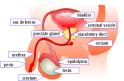 (HealthDay News) -- U.S. experts have devised a new classification system to evaluate prostate cancer patients after they have undergone radiation treatment.
The system should help doctors spot patients who are most likely to suffer a cancer recurrence and could most benefit from hormone therapy.
Doctors consider a number of factors to determine which prostate cancer patients would benefit from therapy to suppress hormones that are believed to promote prostate cancer, according to background information in the article.
These factors include "biochemical failure" (BF). BF indicates that treatment for prostate cancer has failed. It is determined with a calculation involving post-treatment prostate-specific antigen (PSA) levels in the blood.
The new classification system, called the Phoenix definition, uses a different method of determining BF failure and offers a better way of predicting patient outcome, according to this new study.
"The Phoenix system allows a more robust prediction for clinical outcome," researcher Dr. Matthew C. Abramowitz, a resident in the radiation oncology department at Fox Chase Cancer Center, in Philadelphia, said in a prepared statement.
He and his colleagues used the Phoenix definition to assess 1,831 prostate cancer patients who'd undergone treatment.
"Using the previous classification system, these men may have been misclassified. Using the new definition, we are able to better identify those men most likely to develop problems from their recurrent prostate cancer. These men may benefit from hormone therapy," Abramowitz said.
The findings were expected to be presented Wednesday at the annual meeting of the American Society for Therapeutic Radiology and Oncology, in Philadelphia.
More information
The American Urological Association has more about hormone therapy for prostate cancer.
Health Tip: Taking Care of Eczema
 (HealthDay News) -- Eczema is characterized by patches of red, irritated and itchy skin.
An outbreak can be triggered by weather, stress or use of certain products, including detergents.
Here are suggested ways to prevent an outbreak, courtesy of the Princeton University Health Services:
- Apply lotion immediately after getting out of the shower to keep your skin well-moisturized.
- Don't take very long baths or showers, and avoid using very hot water that can dry skin.
- Don't use harsh soaps or detergents that can irritate the skin.
- Try to avoid becoming overheated or very sweaty.
- Try to avoid becoming stressed.
- Keep skin well covered during winter.
- Try not to wear itchy fabrics made of wool or some synthetic fibers.
Pacemaker Could Aid Some Cases of Heart Failure
(HealthDay News) -- Cardiologist researchers are proposing a new way of managing a specific type of heart failure: implanting a pacemaker to regulate heart function.
In heart failure, the organ typically loses its ability to efficiently pump blood, as measured by a reduction of the heart's "ejection fraction" -- the amount of blood pumped with each contraction.
However, about half of the 550,000 Americans diagnosed with heart failure each year have normal or near-normal ejection fractions, according to a report in the Nov. 6 online edition of Circulation.
According to lead researcher Dr. David Kass, professor of medicine at the Johns Hopkins School of Medicine, the problem for these patients is that the heart cannot respond properly to even minor physical activity, such as getting dressed.
The condition is called non-systolic heart failure, a reference to the "systole" or contraction of the heart. Unfortunately for these patients, non-systolic heart failure is not adequately treated using conventional methods such as medicines like beta-blockers, Kass said.
"Beta-blockers slow the heart," he explained. "If you think this is a disease of relaxing and filling the heart, that does give more time for the heart to fill. But, ironically, in non-systolic heart failure, by slowing heart rate, you might help when persons are at rest but not when they get up and do things.
That's what gave Kass' team the idea that pacemakers might be in order. "Maybe we should use pacemakers to help people whose heart rates don't go faster by themselves when they should -- not all the time, just when they are exercising," he said.
The Circulation paper compared 17 persons with heart failure with normal ejection fractions to 19 without heart failure. When they pedaled on stationary bicycles, their hearts filled with blood in a normal way. But the hearts of those with non-systolic heart failure beat 44 percent less quickly, and their blood vessels did not expand to allow more blood to reach the muscles.
The Hopkins group is planning a trial to see if pacemakers could correct that problem. It will include about 100 people with non-systolic heart failure, split between those who do and do not take beta blockers.
"It will be designed to see if pacemakers help them feel better, exercise better and improve their symptoms," Kass said.
There have been very few trials on treatment of non-systolic heart failure, he said, because recruiters for such trials have always looked for people with low ejection fractions. "The other group of patients with normal ejection fraction is growing in size," Kass said. "They tend to be older, more often are women and commonly with high blood pressure."
Dr. Gerald Fletcher, a preventive cardiologist at the Mayo Clinic, called the new research a "fascinating" study. "It shows that heart failure is a generalized system problem, not just affecting the heart directly," he said.
As for using pacemakers for the condition, "that has to be judged patient-by-patient," Fletcher said.
"A pacemaker might be indicated in some cases, particularly if the patient has a problem with medications," he said.
More information
There's more on heart failure at the American Heart Association.
In heart failure, the organ typically loses its ability to efficiently pump blood, as measured by a reduction of the heart's "ejection fraction" -- the amount of blood pumped with each contraction.
However, about half of the 550,000 Americans diagnosed with heart failure each year have normal or near-normal ejection fractions, according to a report in the Nov. 6 online edition of Circulation.
According to lead researcher Dr. David Kass, professor of medicine at the Johns Hopkins School of Medicine, the problem for these patients is that the heart cannot respond properly to even minor physical activity, such as getting dressed.
The condition is called non-systolic heart failure, a reference to the "systole" or contraction of the heart. Unfortunately for these patients, non-systolic heart failure is not adequately treated using conventional methods such as medicines like beta-blockers, Kass said.
"Beta-blockers slow the heart," he explained. "If you think this is a disease of relaxing and filling the heart, that does give more time for the heart to fill. But, ironically, in non-systolic heart failure, by slowing heart rate, you might help when persons are at rest but not when they get up and do things.
That's what gave Kass' team the idea that pacemakers might be in order. "Maybe we should use pacemakers to help people whose heart rates don't go faster by themselves when they should -- not all the time, just when they are exercising," he said.
The Circulation paper compared 17 persons with heart failure with normal ejection fractions to 19 without heart failure. When they pedaled on stationary bicycles, their hearts filled with blood in a normal way. But the hearts of those with non-systolic heart failure beat 44 percent less quickly, and their blood vessels did not expand to allow more blood to reach the muscles.
The Hopkins group is planning a trial to see if pacemakers could correct that problem. It will include about 100 people with non-systolic heart failure, split between those who do and do not take beta blockers.
"It will be designed to see if pacemakers help them feel better, exercise better and improve their symptoms," Kass said.
There have been very few trials on treatment of non-systolic heart failure, he said, because recruiters for such trials have always looked for people with low ejection fractions. "The other group of patients with normal ejection fraction is growing in size," Kass said. "They tend to be older, more often are women and commonly with high blood pressure."
Dr. Gerald Fletcher, a preventive cardiologist at the Mayo Clinic, called the new research a "fascinating" study. "It shows that heart failure is a generalized system problem, not just affecting the heart directly," he said.
As for using pacemakers for the condition, "that has to be judged patient-by-patient," Fletcher said.
"A pacemaker might be indicated in some cases, particularly if the patient has a problem with medications," he said.
More information
There's more on heart failure at the American Heart Association.
Drug Reduces Kidney-Transplant Rejection Rates
(HealthDay News) -- Most kidney transplant patients have to undergo what's known as "induction therapy" to suppress their immune systems and lessen the chance of the new organ being rejected.
A new study found that one drug, rabbit antithymocyte globulin (brand name Thymoglobulin) was better at reducing the risk of acute rejection than a commonly used medication known as basiliximab -- 15.6 percent of the thymoglobulin group experienced acute rejection compared with 25.5 percent of the basiliximab group.
"Both acute rejections and the severity of the acute rejection rates were much lower," said the study's lead author, Dr. Daniel Brennan, director of transplant nephrology at Barnes-Jewish Hospital and a professor of medicine at the Washington University School of Medicine, in St. Louis.
"It might not sound like a big difference, but it's really quite important. An ounce of prevention is worth a pound of cure. The more severe rejection is, the more treatment is required, and the worse a transplant usually does in the long run," he explained.
Results of the study, which was sponsored by the maker of thymoglobulin, Genzyme, are published in the Nov. 9 issue of the New England Journal of Medicine.
Induction therapy begins on the day a person receives their kidney transplant and continues for several days after. The goal of induction therapy is to suppress the immune system so it doesn't recognize the new organ as foreign tissue. Rejection occurs if the transplant patient's immune system realizes there is foreign tissue present and begins to attack it.
However, a delicate balance has to be maintained, because if physicians suppress the immune system too much, serious infections can occur.
For the new study, 278 high-risk kidney transplant patients were randomly assigned to receive either thymoglobulin (141 patients) or basiliximab (137) for their induction therapy. Those given thymoglobulin received 1.5 milligrams per kilogram of body weight daily, while those on basiliximab were given 20 milligrams daily. Both groups received treatment beginning on the day of transplant through day 4 after transplant. They also were given other immune-suppressing medications.
According to the study, "the design, data collection and analysis were performed by a sponsor, Genzyme," and the data were then reviewed and verified by the study's authors.
The study follow-up lasted 12 months.
During that time, 15.6 percent of the thymoglobulin group and 25.5 percent of the basiliximab group experienced acute rejection. In some cases, rejection was severe enough to require additional treatment with thymoglobulin, for either group. But the incidence of severe rejection was lower in the group that initially received thymoglobulin -- 1.4 percent versus 8 percent in the basiliximab group.
There were no significant differences in the incidence of delayed graft function -- that's the time it takes for the new kidney to start working properly -- or in graft loss or death, according to the study.
There was a greater risk of infection in the thymoglobulin group -- 85.8 percent compared to 75.2 percent for those on basiliximab. But there was a much lower rate of the serious infection cytomegalovirus for those on thymoglobulin -- 7.8 percent versus 17.5 percent for people taking basiliximab.
"This study shows that for those at higher risk, thymoglobulin is clearly the way to go," said Brennan.
Dr. Michelle Josephson is medical director of kidney transplantation at the University of Chicago, and the author of an accompanying editorial in the same issue of the journal. She said, "I think it was great that the authors did a prospective randomized trial, but one of the downsides is that it may not reflect current management."
"Most studies, including this one, use cyclosporine-based immunosuppression, but tacrolimus is more commonly used by most centers today. Also, a lot of centers are using prednisone-free immunosuppression, and prednisone was used in this study. So, I'm not sure how uniformly applicable these results are given current immunosuppression trends," she explained.
However, Josephson added that anything that can be done to reduce the risk of rejection is helpful.
"To the extent that you have less of a risk of a bad rejection, even without an impact on graft survival at one year, [thymoglobulin is] useful. For the patient and their life, it's quite an inconvenience to have rejection. They want to get back to their lives with as few complications as possible," she said.
More information
To learn more about the kidney transplantation process, visit the National Kidney Foundation.
A new study found that one drug, rabbit antithymocyte globulin (brand name Thymoglobulin) was better at reducing the risk of acute rejection than a commonly used medication known as basiliximab -- 15.6 percent of the thymoglobulin group experienced acute rejection compared with 25.5 percent of the basiliximab group.
"Both acute rejections and the severity of the acute rejection rates were much lower," said the study's lead author, Dr. Daniel Brennan, director of transplant nephrology at Barnes-Jewish Hospital and a professor of medicine at the Washington University School of Medicine, in St. Louis.
"It might not sound like a big difference, but it's really quite important. An ounce of prevention is worth a pound of cure. The more severe rejection is, the more treatment is required, and the worse a transplant usually does in the long run," he explained.
Results of the study, which was sponsored by the maker of thymoglobulin, Genzyme, are published in the Nov. 9 issue of the New England Journal of Medicine.
Induction therapy begins on the day a person receives their kidney transplant and continues for several days after. The goal of induction therapy is to suppress the immune system so it doesn't recognize the new organ as foreign tissue. Rejection occurs if the transplant patient's immune system realizes there is foreign tissue present and begins to attack it.
However, a delicate balance has to be maintained, because if physicians suppress the immune system too much, serious infections can occur.
For the new study, 278 high-risk kidney transplant patients were randomly assigned to receive either thymoglobulin (141 patients) or basiliximab (137) for their induction therapy. Those given thymoglobulin received 1.5 milligrams per kilogram of body weight daily, while those on basiliximab were given 20 milligrams daily. Both groups received treatment beginning on the day of transplant through day 4 after transplant. They also were given other immune-suppressing medications.
According to the study, "the design, data collection and analysis were performed by a sponsor, Genzyme," and the data were then reviewed and verified by the study's authors.
The study follow-up lasted 12 months.
During that time, 15.6 percent of the thymoglobulin group and 25.5 percent of the basiliximab group experienced acute rejection. In some cases, rejection was severe enough to require additional treatment with thymoglobulin, for either group. But the incidence of severe rejection was lower in the group that initially received thymoglobulin -- 1.4 percent versus 8 percent in the basiliximab group.
There were no significant differences in the incidence of delayed graft function -- that's the time it takes for the new kidney to start working properly -- or in graft loss or death, according to the study.
There was a greater risk of infection in the thymoglobulin group -- 85.8 percent compared to 75.2 percent for those on basiliximab. But there was a much lower rate of the serious infection cytomegalovirus for those on thymoglobulin -- 7.8 percent versus 17.5 percent for people taking basiliximab.
"This study shows that for those at higher risk, thymoglobulin is clearly the way to go," said Brennan.
Dr. Michelle Josephson is medical director of kidney transplantation at the University of Chicago, and the author of an accompanying editorial in the same issue of the journal. She said, "I think it was great that the authors did a prospective randomized trial, but one of the downsides is that it may not reflect current management."
"Most studies, including this one, use cyclosporine-based immunosuppression, but tacrolimus is more commonly used by most centers today. Also, a lot of centers are using prednisone-free immunosuppression, and prednisone was used in this study. So, I'm not sure how uniformly applicable these results are given current immunosuppression trends," she explained.
However, Josephson added that anything that can be done to reduce the risk of rejection is helpful.
"To the extent that you have less of a risk of a bad rejection, even without an impact on graft survival at one year, [thymoglobulin is] useful. For the patient and their life, it's quite an inconvenience to have rejection. They want to get back to their lives with as few complications as possible," she said.
More information
To learn more about the kidney transplantation process, visit the National Kidney Foundation.
Thursday, November 02, 2006
Turmeric for Breast Cancer Prevention?
Q: Turmeric for Breast Cancer Prevention?
Is it true that turmeric can prevent breast cancer? What can you tell me about this?
A: Turmeric (Curcuma longa) is the yellow spice most familiar in Indian curries and found in American prepared mustard. People whose diets are rich in turmeric have lower rates of breast cancer as well as prostate, lung and colon cancers, and recent research at the M.D. Anderson Cancer Center in Houston suggests that curcumin, an active component in turmeric, may help prevent the spread of breast cancer. In studies of mice, researchers found that curcumin helped stop the metastasis of breast cancer cells to the lung. Human studies following up on this finding are now in progress.
In the M.D. Anderson study, researchers injected mice with breast cancer cells from a woman whose disease had spread to her lungs. The cells began to grow in the mice and then were surgically removed. The mice then were divided into four groups: one got no treatment, one got curcumin, one got the cancer drug Taxol and the fourth group got curcumin plus Taxol. Cancer spread to the lungs among half the mice in the curcumin-only group and 22 percent of those in the curcumin/Taxol group. The other groups fared far worse: among the mice that received Taxol alone 75 percent developed lung tumors; and the cancer spread to the lungs among 95 percent of the mice who were given no treatment.
While these results are exciting, we don't know yet if curcumin plus Taxol will be as effective in humans. However, the researchers were impressed enough to suggest that it might be worthwhile to give curcumin to women at high risk of breast cancer because of a family history of the disease.
My preference is for whole turmeric rather than isolated curcumin, because I believe in the synergy of all active elements in botanical medicines. I wish researchers would get off the reductionistic bandwagon and come around to appreciate the inherent complexity of nature. Whole turmeric extracts are the way to go; I always recommend them to patients rather than products containing isolated curcumin.
Turmeric is useful for all inflammatory disorders and for autoimmune conditions. It also may have a role in the prevention and treatment of Alzheimer's disease. (Elderly villagers in India appear to have the lowest rate of Alzheimer's in the world, perhaps due to the fact that Indians eat turmeric with almost every meal. Some animal studies have shown that curcumin blocked the formation and accumulation of the plaque that characterizes Alzheimer's.)
Overall, turmeric appears to have significant anti-inflammatory and cancer-protective effects. These seem most evident at doses well below pharmaceutical strength, which suggests that it would be wise to consume more foods spiced with turmeric. But getting enough in food is not easy for Westerners. We are not familiar with using it, and large amounts taste bitter. Other than supplements, the best way I've found to consume turmeric is in the form of a cold, unsweetened tea. This is a popular beverage in Okinawa, the island culture famed for health and longevity. Convenient, tasty, instant forms of turmeric tea are easy to get there. I'm working to make them available through this Web site. Stay tuned.
Is it true that turmeric can prevent breast cancer? What can you tell me about this?
A: Turmeric (Curcuma longa) is the yellow spice most familiar in Indian curries and found in American prepared mustard. People whose diets are rich in turmeric have lower rates of breast cancer as well as prostate, lung and colon cancers, and recent research at the M.D. Anderson Cancer Center in Houston suggests that curcumin, an active component in turmeric, may help prevent the spread of breast cancer. In studies of mice, researchers found that curcumin helped stop the metastasis of breast cancer cells to the lung. Human studies following up on this finding are now in progress.
In the M.D. Anderson study, researchers injected mice with breast cancer cells from a woman whose disease had spread to her lungs. The cells began to grow in the mice and then were surgically removed. The mice then were divided into four groups: one got no treatment, one got curcumin, one got the cancer drug Taxol and the fourth group got curcumin plus Taxol. Cancer spread to the lungs among half the mice in the curcumin-only group and 22 percent of those in the curcumin/Taxol group. The other groups fared far worse: among the mice that received Taxol alone 75 percent developed lung tumors; and the cancer spread to the lungs among 95 percent of the mice who were given no treatment.
While these results are exciting, we don't know yet if curcumin plus Taxol will be as effective in humans. However, the researchers were impressed enough to suggest that it might be worthwhile to give curcumin to women at high risk of breast cancer because of a family history of the disease.
My preference is for whole turmeric rather than isolated curcumin, because I believe in the synergy of all active elements in botanical medicines. I wish researchers would get off the reductionistic bandwagon and come around to appreciate the inherent complexity of nature. Whole turmeric extracts are the way to go; I always recommend them to patients rather than products containing isolated curcumin.
Turmeric is useful for all inflammatory disorders and for autoimmune conditions. It also may have a role in the prevention and treatment of Alzheimer's disease. (Elderly villagers in India appear to have the lowest rate of Alzheimer's in the world, perhaps due to the fact that Indians eat turmeric with almost every meal. Some animal studies have shown that curcumin blocked the formation and accumulation of the plaque that characterizes Alzheimer's.)
Overall, turmeric appears to have significant anti-inflammatory and cancer-protective effects. These seem most evident at doses well below pharmaceutical strength, which suggests that it would be wise to consume more foods spiced with turmeric. But getting enough in food is not easy for Westerners. We are not familiar with using it, and large amounts taste bitter. Other than supplements, the best way I've found to consume turmeric is in the form of a cold, unsweetened tea. This is a popular beverage in Okinawa, the island culture famed for health and longevity. Convenient, tasty, instant forms of turmeric tea are easy to get there. I'm working to make them available through this Web site. Stay tuned.
Subscribe to:
Posts (Atom)
Kamarani

